July Days—Independence, Ripening, and a Pony Swim
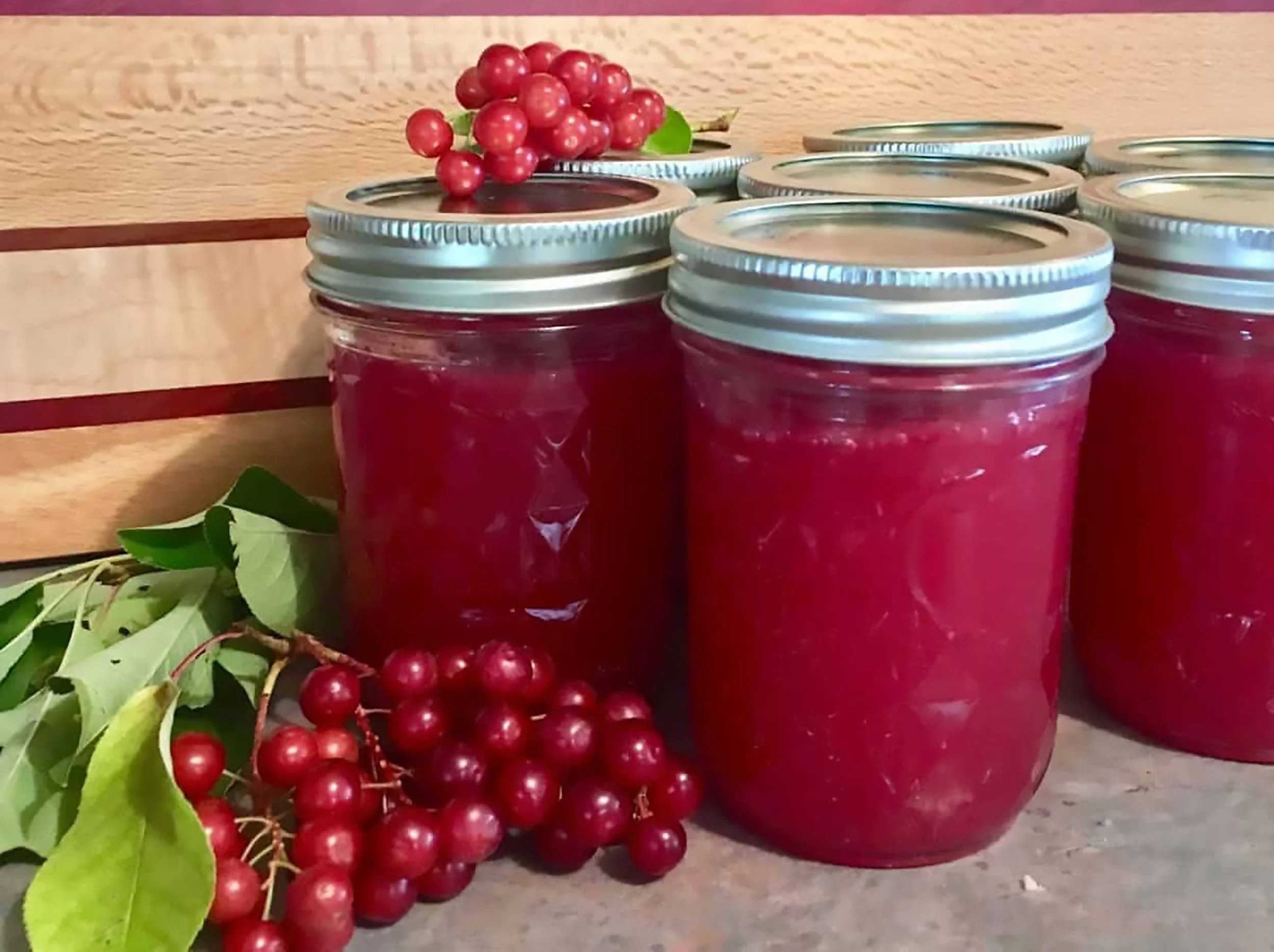
Chokecherry jam for the Chokecherry Ripening Moon (also note that there are 7 jars for the 7th month)
This month was originally named Quintilis (“fifth”) in the old Roman calendar, which had March as the first month of the year. It was renamed to honor Julius Caesar, who reformed the calendar in 46 BCE to add leap years, and move the start of the year to January.
To the Mdewakaŋtuŋwaŋ Dakota of Minnesota, the full moon on July 29 is either the Chokecherry Ripening Moon or, more generally, When Things Ripen Moon.
Wed., 1. Canada Daycommemorates the date in 1867 when the English Parliament passed the first British North America Act, establishing Canada as a self-governing dominion. This did not initially include all of today’s provinces, but it set the ball in motion for the gradual forming of modern Canada.
Sat., 4. US Independence Day commemorates the 250th anniversary of the signing of the Declaration of Independence in 1776. The National Constitution Center in Philadelphia offers nonpartisan exhibits, documents and assorted educational materials including podcasts and town hall presentations about the nation’s founding and history.
The Tour de France bicycle race begins in Barcelona, Spain, and ends on July 26 in Paris.
International Day of Cooperatives is observed by the United Nations on the first Saturday in July; the day has been celebrated by the International Co-operative Alliance (ICA) since 1923. This year’s theme is “Cooperatives for a Peaceful World.”
Fri., 10. Bahá’ís commemorate the Martyrdom of the Báb, the herald of their prophet, on the anniversary of his execution in 1850.
Matariki is the Lunar New Year for the Māori of New Zealand, marked by the rising of the Matariki (Pleiades) star cluster.
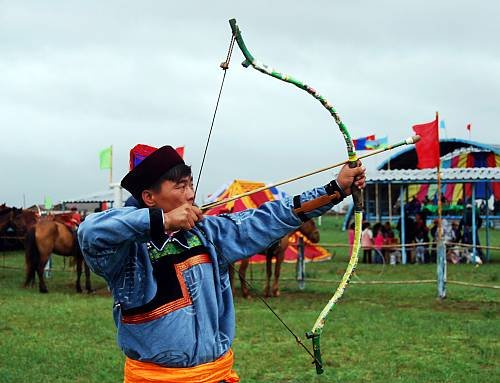
July 11–13. Mongolia’s Naadam Festival showcases the country’s cultural heritage, including traditional arts, crafts, and the sports of horse racing, wrestling, and archery
Mon., 13. Battle of the Boyne/Orangemen’s Day, also called The Twelfth, is celebrated by Irish Protestants to commemorate the victory of William of Orange over the deposed King James II on July 12, 1690, at the Boyne River, Ireland, affirming William III as king of England, and Protestant rule as the standard. It’s a public holiday in Northern Ireland and in Newfoundland and Labrador, Canada, and also celebrated where there are pockets of Anglo-Protestants.
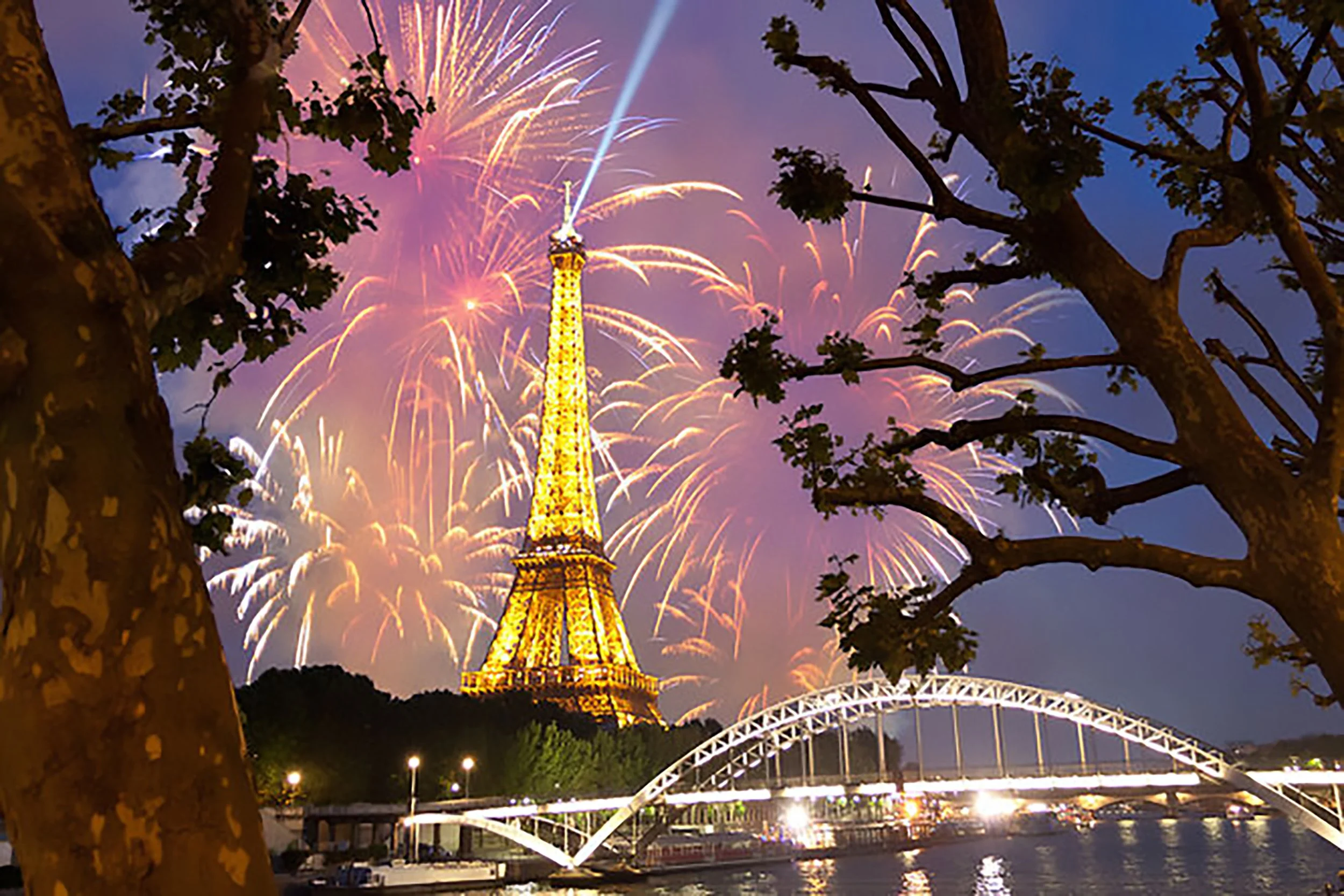
Tues., 14. Known as Bastille Day in the US, la Fête Nationale française commemorates the storming of the Bastille prison in 1789, a turning point in the French Revolution.
The Bastille was not only a notorious prison (although with only seven prisoners at the time it was attacked), it was also an armory, with a large cache of weapons and gunpowder. Breaching it allowed the revolutionaries to arm the citizens. In the subsequent weeks, the newly formed Constituent Assembly abolished feudalism and adopted the Universal Declaration of the Rights of Man and of the Citizen, which was inspired by the American Declaration of Independence. The day is celebrated with a massive military parade, often with leaders of allied countries as invited guests. In many other places, including cities in the United States, the day is a celebration of French culture and heritage.
Wed., 15. St. Swithun was a 9th century bishop at Winchester, England, who died on July 2 and was buried outdoors, as he had requested. About 100 years later, his body was transferred to Winchester Cathedral on July 15, which became his feast day. Several miracles surrounded this event, some having to do with rain, possibly because the saint was displeased by the move. It became lore that rain on St. Swithun’s Day means 40 more days of rain. He is also the saint to pray to for rain to end a drought.
‘St. Swithin’s day if thou dost rain
For forty days it will remain
St. Swithin’s day if thou be fair
For forty days ‘twill rain nae mair.’
Ukrainian Statehood Day recalls that Ukrainians have asserted their nationhood apart from Russia for hundreds of years, dating back to the baptism of Kyivan Rus in 988.
Sat., 18. Nelson Mandela Day is an international observance to mark the birthday of the late civil rights leader and first democratically elected president of South Africa. In 2009, the United Nations formally declared Nelson Mandela International Day as a call for individuals to take action on the issues he championed: to fight poverty and injustice, and to promote peace and reconciliation.
Mon., 20. Umi no hi aka Marine Day is a holiday in Japan honoring the gifts of the sea and the country’s maritime traditions.
Tue., 21. Prince Leopold of Saxe-Coburg swore allegiance to the Belgian constitution on July 21, 1831, becoming Leopold I, first king of the Belgians. Prior to 1830, Belgium was part of the Netherlands. The event is remembered as Belgian National Day.
Thu., 23. Tisha B’Av is a time of fasting and prayer for Jews, in remembrance of the destruction of the First and Second Temples of Jerusalem.
Wed., 29. Dharma Day celebrates the first teachings of the Buddha and thus the beginnings of Buddhism. Also called Asalha Puja, it is observed during the full moon in July.
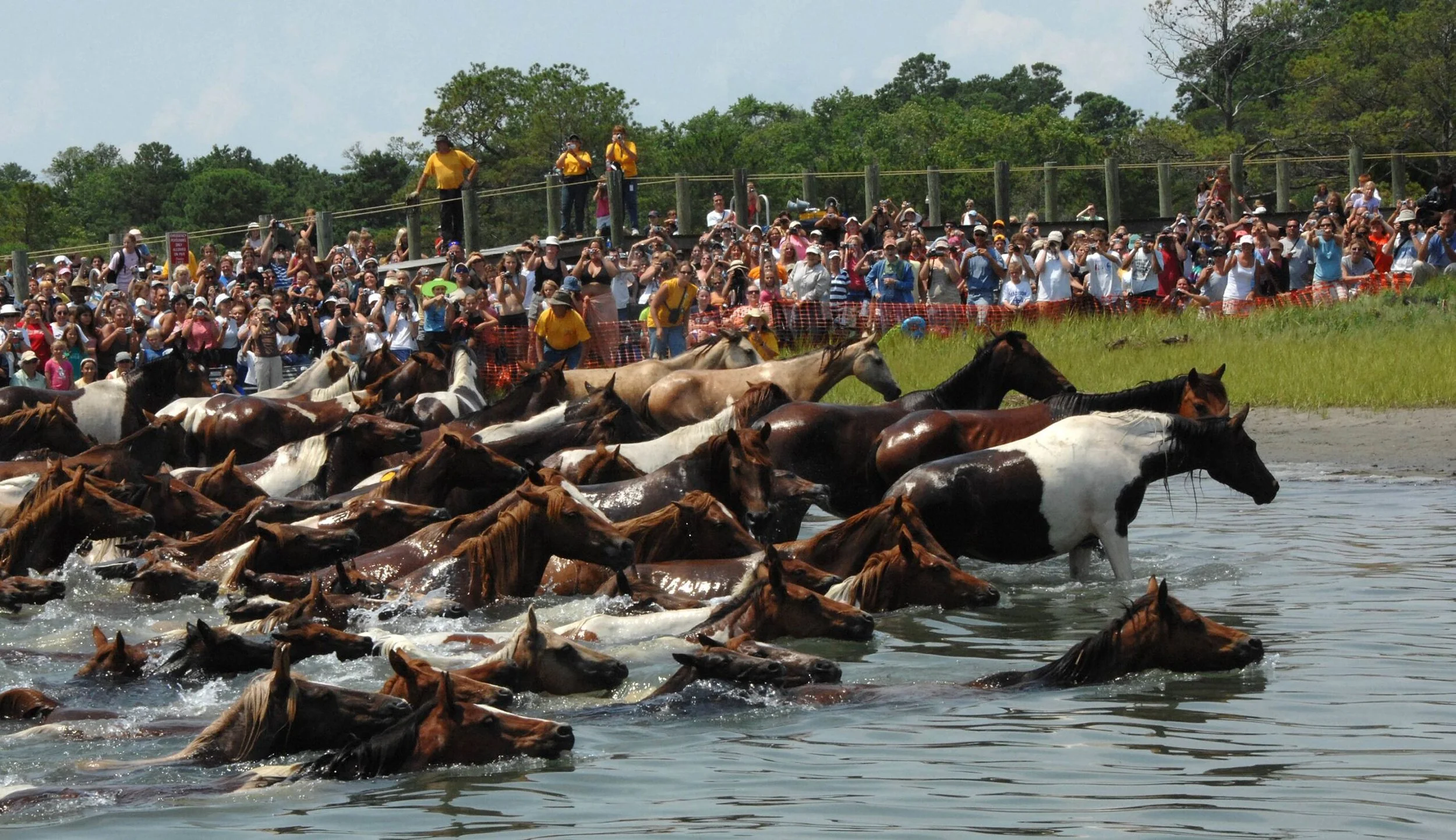
Annual Pony Swim at Chincoteague, Virginia. On the last Wednesday in July, when the foals are old enough to leave their mothers, the feral horses of southern Assateague Island are led across the channel to Chincoteague Island, Virginia. Many of the foals are auctioned off to help manage the population, both to prevent overpopulation of the island and to raise funds for care of the herd. The horses swim back to Assateague the next day.
The horses are descendents of domesticated ones that were likely brought there in the 17th century by people looking to skirt fencing laws and taxes on the mainland. Assateague Island and its wild horses are now managed by the National Park Service.