This month is named for the Roman goddess Juno, wife/partner of Jupiter; queen of the heavens; protector of women, childbirth, and marriage.
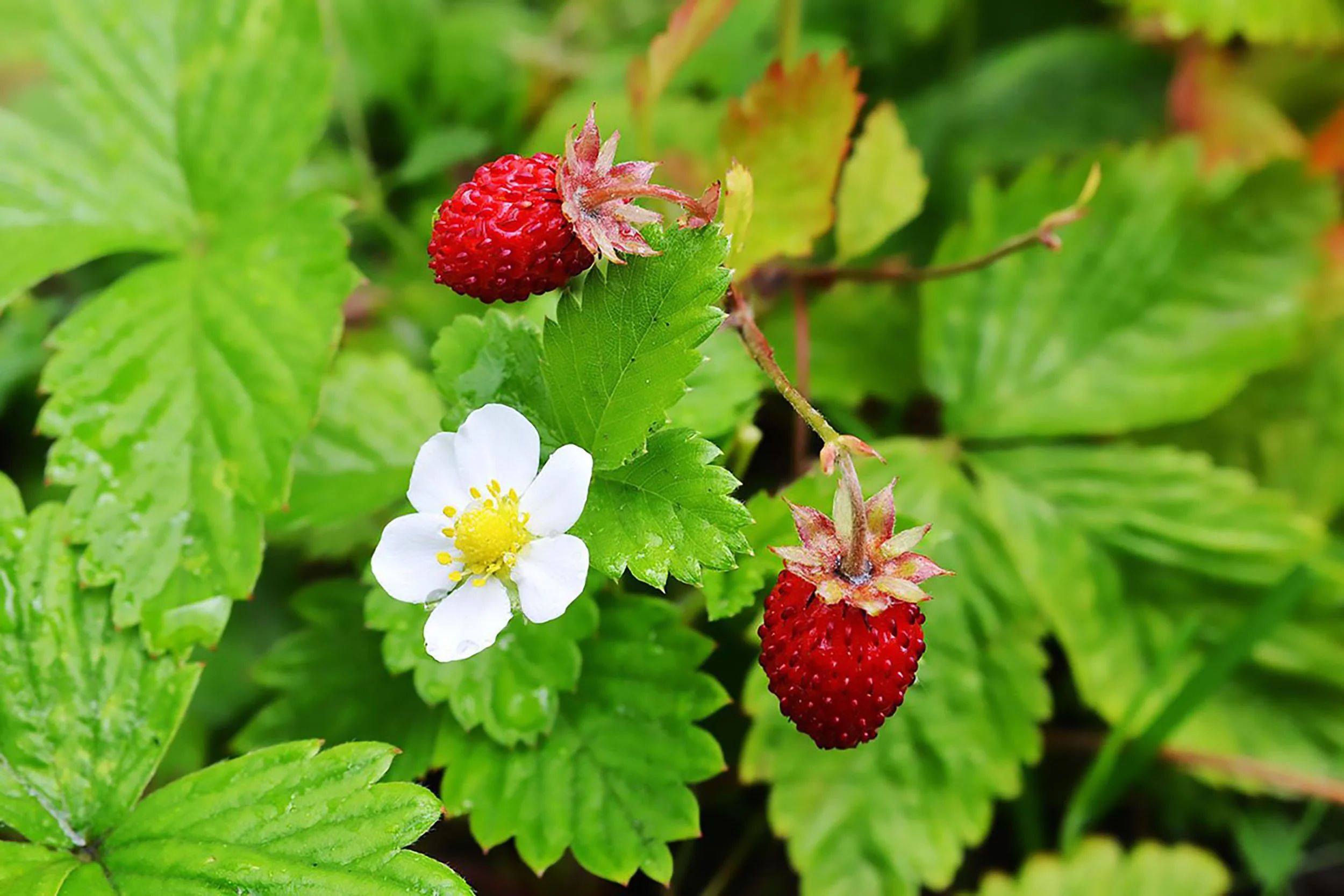
The Ojibwe name for the full moon on June 29 is Strawberry Moon, for the wild strawberries (pictured above) that ripen this month.
The Anglo-Saxon name for both June and July is Liða, spelled Litha in modern English, which means “mildness,” said to be referring to the weather or the calmness of the seas at this time of year (according to the Venerable Bede). Anglo-Saxon months begin with the first siting of the new crescent moon, generally a day or two after the dark moon that occurs on June 14 and July 14. June is Ærraliða—before or early Litha—and July is Æfteraliða—after or late Litha—leading some to conclude that Litha must be the name for the summer solstice, but the historical evidence for this designation is lacking, so it is most likely that, as a name for the summer solstice, it is a recent coinage.
June is LGBTQ+ Pride Month, commemorating the uprising at New York’s Stonewall Inn on June 28, 1969, that started the gay liberation movement, which eventually expanded to encompass all LGBTQ+ people and all month. The Library of Congress has a very nice overview of the history of this month’s commemorations. Apparently the administration’s censors haven’t discovered it yet.
Mon. 1. Bank holiday, Ireland.
Tue., 2. Italy’s Republic Day marks when, in 1946, the Kingdom of Italy held a nationwide referendum in which the people voted to abolish the monarchy and establish a republic. It was three years after the defeat of fascism there.

Wed., 3. World Bicycle Day was enacted in 2018 by the UN to urge planning and actions that make bicycling and walking easier and safer for all, provide access to bicycles for poor people, and promote bicycling in general.
Thu., June 4. Corpus Christi, meaning “body of Christ,” is a Christian celebration of the Eucharist, or Holy Communion, a ritual that re-creates the last supper that Jesus had with his disciples, when he said that the bread and wine were his body and blood. It’s often observed on the Sunday following the date.
Sat., 6. In 1944, after more than 6 months of careful planning, 24,000 Allied troops landed along the coast of Normandy, France, in a massive action known as D-Day, which began the liberation of France and the eventual defeat of the Nazis in WWII.
Memorial Day in South Korea begins with a siren sounding at 10 a.m., which prompts people to pray for one minute in memory of those who have died in service to the country.
Swedish National Day commemorates the election of King Gustav Vasa in 1523, considered the foundation of modern Sweden and the end of the Kalmar Union that had joined the Scandinavian countries under one monarch since 1397. The date was celebrated informally starting in 1916 but didn’t become official until 2005, when it replaced Whit Monday (the day after Pentecost) as a public holiday.
Sun., 14. Flag Day in the US commemorates the passage of the first Flag Act on June 14, 1777: “Resolved, that the flag of the thirteen United States be made of thirteen stripes, alternate red and white; that the union be thirteen stars, white in a blue field, representing a new constellation.”
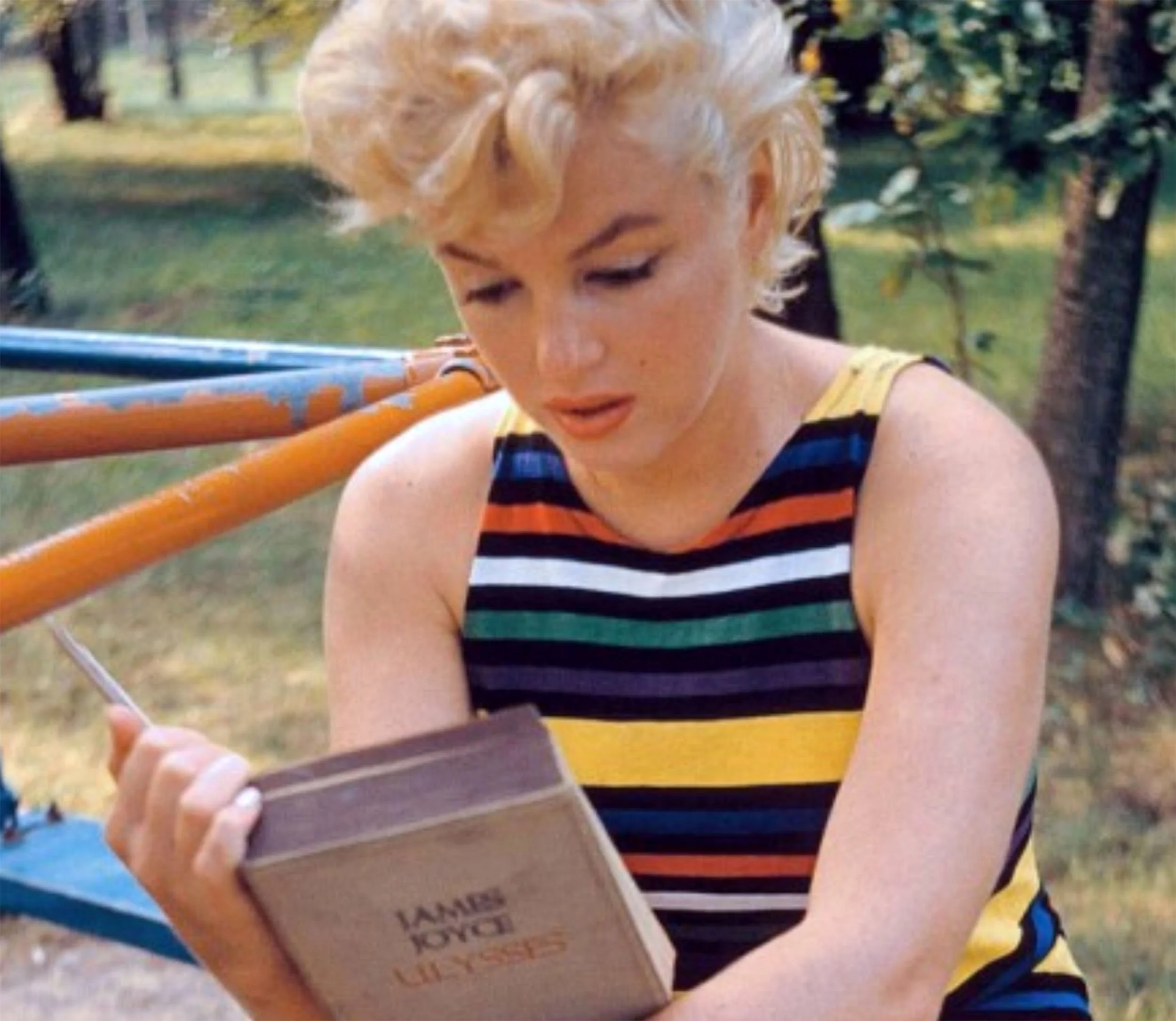
Tue., 16. Bloomsday is named for Leopold Bloom, the protagonist in James Joyce’s novel Ulysses, because all the events in the book took place on this day.
Youth Day in South Africa commemorates the 1975 student protest against the Bantu education system of segregation.
Wed., 17. Al-Hijri is the Islamic New Year. Also known as Muharram 1, the first day of the month of Muharram, it commemorates Muhammad’s migration from Mecca to Medina in 622 CE. It’s year 1448 on the Islamic/Hijri calendar.
Fri., 19. Juneteenth, known in Texas as Emancipation Day, commemorates the arrival on June 19, 1865, of Union soldiers led by Maj. Gen. Gordon Granger, in Galveston, Texas, to enforce the Emancipation Proclamation, which had been in effect since Jan. 1, 1863, but had been ignored by Texas. Granger announced, “In accordance with a proclamation from the Executive of the United States, all slaves are free.” It had been an official observance or holiday in 46 states, including Texas, prior to it becoming a Federal holiday in 2021, when it was signed into law by President Biden.
The Dragon Boat Festival is a national holiday in China and Taiwan. Occuring on the fifth day of the fifth month of the Chinese luni-solar calendar, the Dragon Boat Festival is associated with superstitions about the date bringing bad luck and venomous creatures (certain insects, snakes and scorpions). In traditional observances, doorways were festooned with various herbs thought to keep the nasty things away.
The festival features special foods, and races in long narrow boats decorated with dragon heads and other ornamentation, powered by teams of paddlers, with a drummer-caller at the head and a steerer at the rear.
The tradition goes back more than 2,000 years and is believed to be associated with the start of rice planting season, to please the dragon diety and encourage rainfall. In later years, stories about various scholars were introduced, with boaters trying to rescue them from drowning, possibly to add some intellectual gravitas to what was most likely just a fun event.
Though Chinese in origin, dragon boat races now take place around the world and have become a popular international water sport. Races are held on multiple dates throughout the boating season.
In Minnesota, the Dragon Divas is a team—and support group—for breast cancer survivors in Minneapolis-St. Paul and Western Wisconsin. They are active throughout the summer.
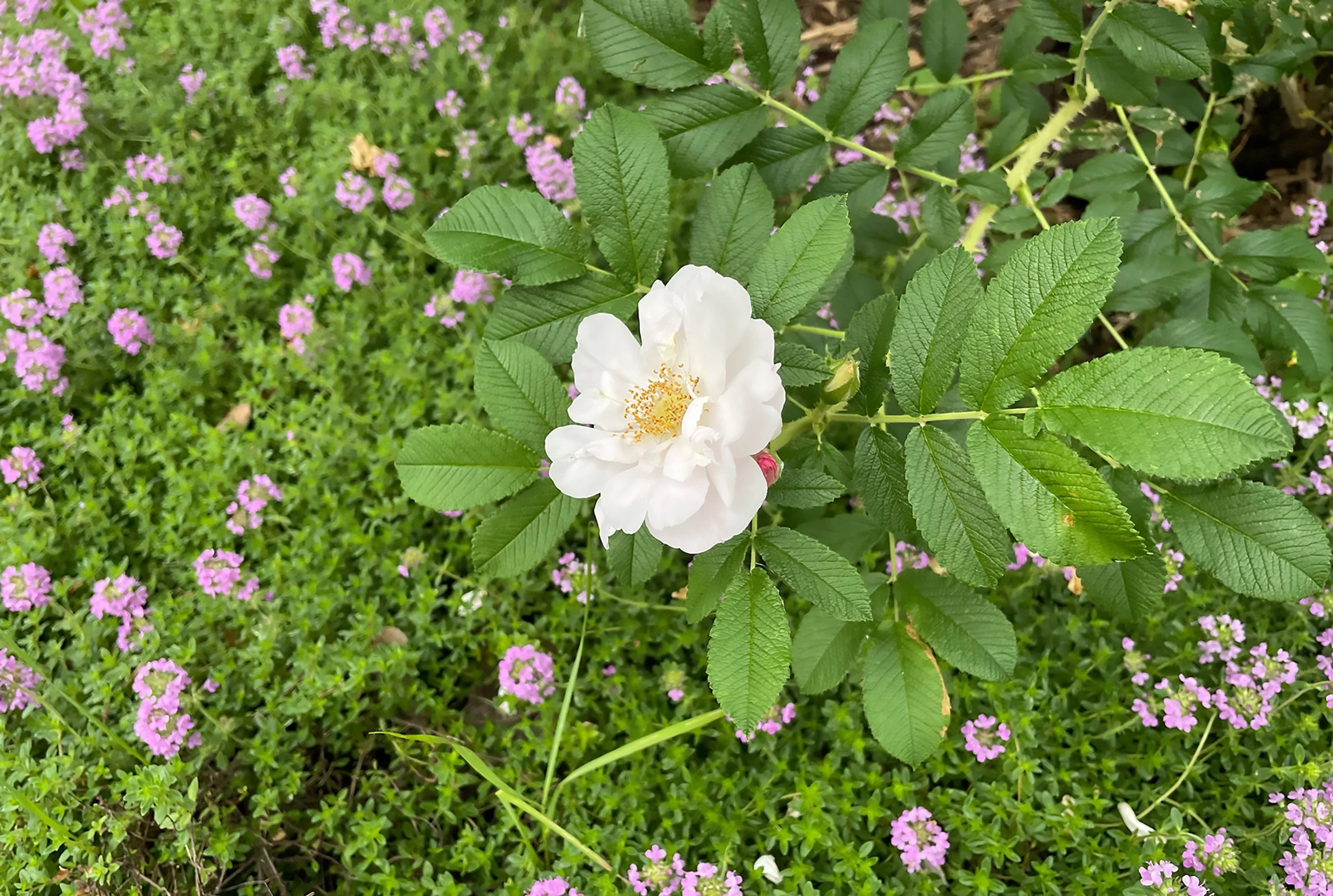
Sat., 20. The summer solstice is when the sun is directly over the Tropic of Cancer, 23.5° north latitude. For every place north of that, today is the longest day. But it’s not really any different for a few days before and after this: The word solstice comes from Latin solstitium (“sun standing still”) because its position in the sky changes hardly at all for about a week. It is more commonly known as midsummer where it is celebrated, because it occurs midway between May Day (seen by some as the beginning of summer) and Lughnasadh (August 1—seen as the beginning of the harvest). However, in astronomy, the solstice is considered the beginning of summer.
Sun., 21. National Indigenous Peoples Day is observed throughout Canada, but only a public holiday in the Yukon and NW Territories
It’s Father’s Day in the US.
Greenland’s National Dayis celebrated on June 21, when the capital city, Nuuk, enjoys 21 hours of daylight. The day begins with singing, speeches, flying the flag, and church services; festivities also include folk music and dancing, skill demonstrations, special programs at museums, and, notably, kaffemik, lively social gatherings with coffee, pastries, and other foods. In Denmark, Greenland’s flag is flown to mark the day.
The first National Day was celebrated in 1985; although Greenland is still part of the Kingdom of Denmark, it has operated under home rule since 1979. On June 12, 2009, the Act on Greenland Self-Government was passed by the Danish parliament, signed by Queen Margrethe, and scheduled to take effect on June 21 that year. The act granted Greenland’s government authority over the administration of its justice, labor, and finance operations, and over its mineral resources. It also opens a path to full independence whenever the people of Greenland want to pursue it: “Decision regarding Greenland’s independence shall be taken by the people of Greenland.” (Chapter 8, section 21)
Tue., 23. Kupala Night is a midsummer celebration in Ukraine and other Slavic countries that predates Christianity in the region. Ivan Kupala is John the Baptist, and the holiday is known as St. John’s Eve elsewhere. Formerly observed in Ukraine on July 6, following the old (Julian) calendar as per the Russian Orthodox church, it is now celebrated closer to the actual solstice, with other European Christians.
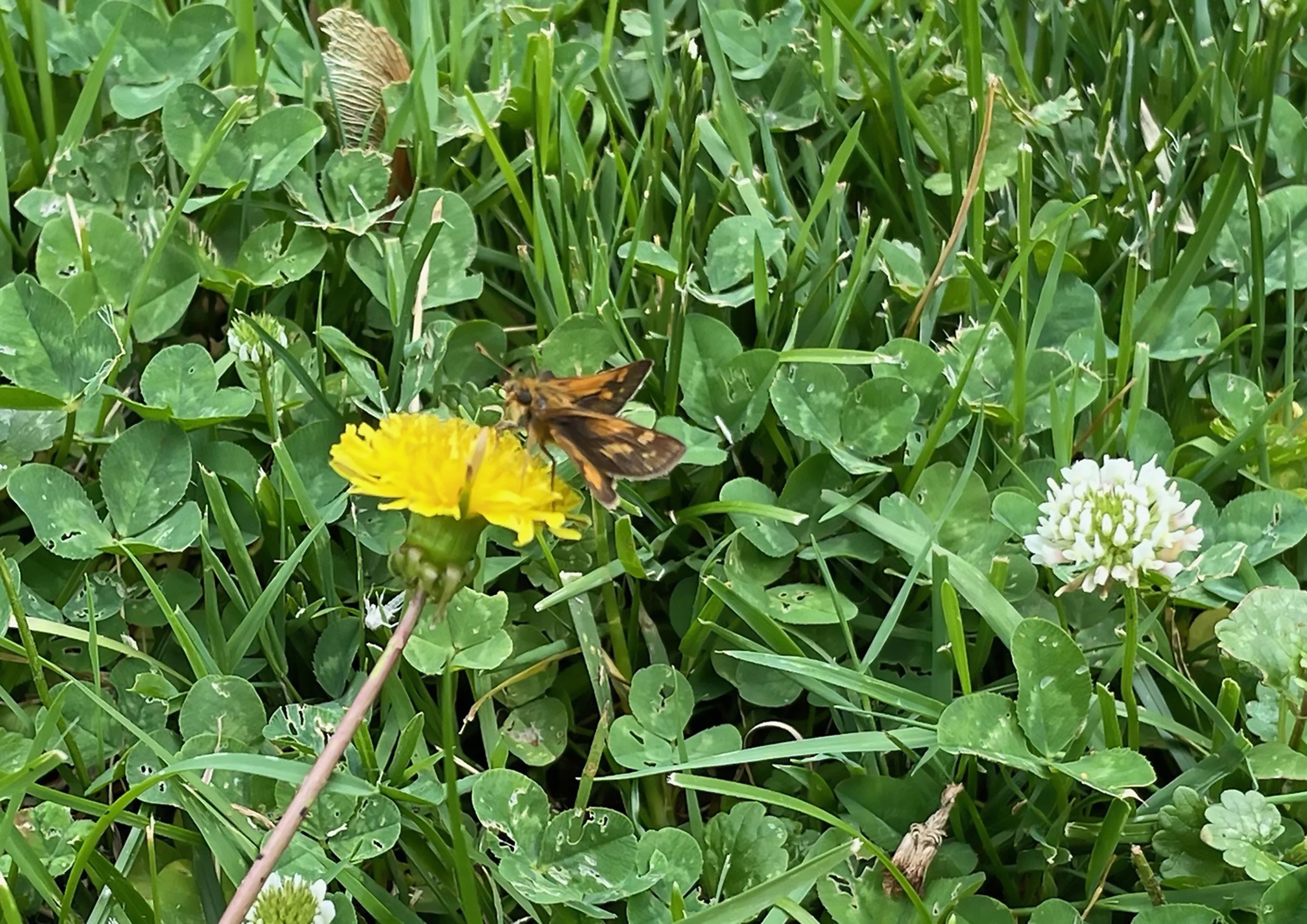
Mon., 22–Sun., 28. Pollinator Week promotes education and action to protect pollinators, with local events listed on the Pollinator Partnership’s website.
Sun., 28. In the early morning hours of June 28, 1969, police in New York raided the Stonewall Inn on Christopher Street, a popular gay bar. This sort of thing happened often at establishments that catered to LGBTQ+ clientele throughout the country, but this time was different: “A strange mood was in the crowd — I noticed the full moon. Loud defiances mixed with skittish hilarity made for a more dangerous stage of protest; they were feeling their impunity,” wrote Howard Smith for the Village Voice a few days later. Then a woman who had been peacefully resisting arrest by walking away was roughly handled by the police as they forced her into the car; cries of “Police brutality!” and more rang out, and it soon erupted into a full-blown riot. News of the event got around the city and protests continued for a week.
A year later, the newly formed Christopher Street Liberation Day Committee organized the first Gay Pride Week culminating with a march on June 28. By 1972, activists were calling June Gay Pride Month and eventually LGBTQ+ Pride Month. Pres. Bill Clinton signed the first official declaration recognizing June as Pride Month in 1999.
Tau Day (t=6.283185 … ) celebrates the ratio of a circle’s circumference to its radius: C/r. It was founded in 2010 by scientist Michael Hartl, who argues that it is a better “circle constant” than pi (p=3.141592 …). But, alas, the day’s name doesn’t evoke anything delectable to make it memorable.
Ukraine’s Constitution Day commemorates the Constitution of Independent Ukraine adopted on June 28, 1996, five years after gaining independence from the collapsed Soviet Union. Prior to 1991, Ukraine had never been an independent state.