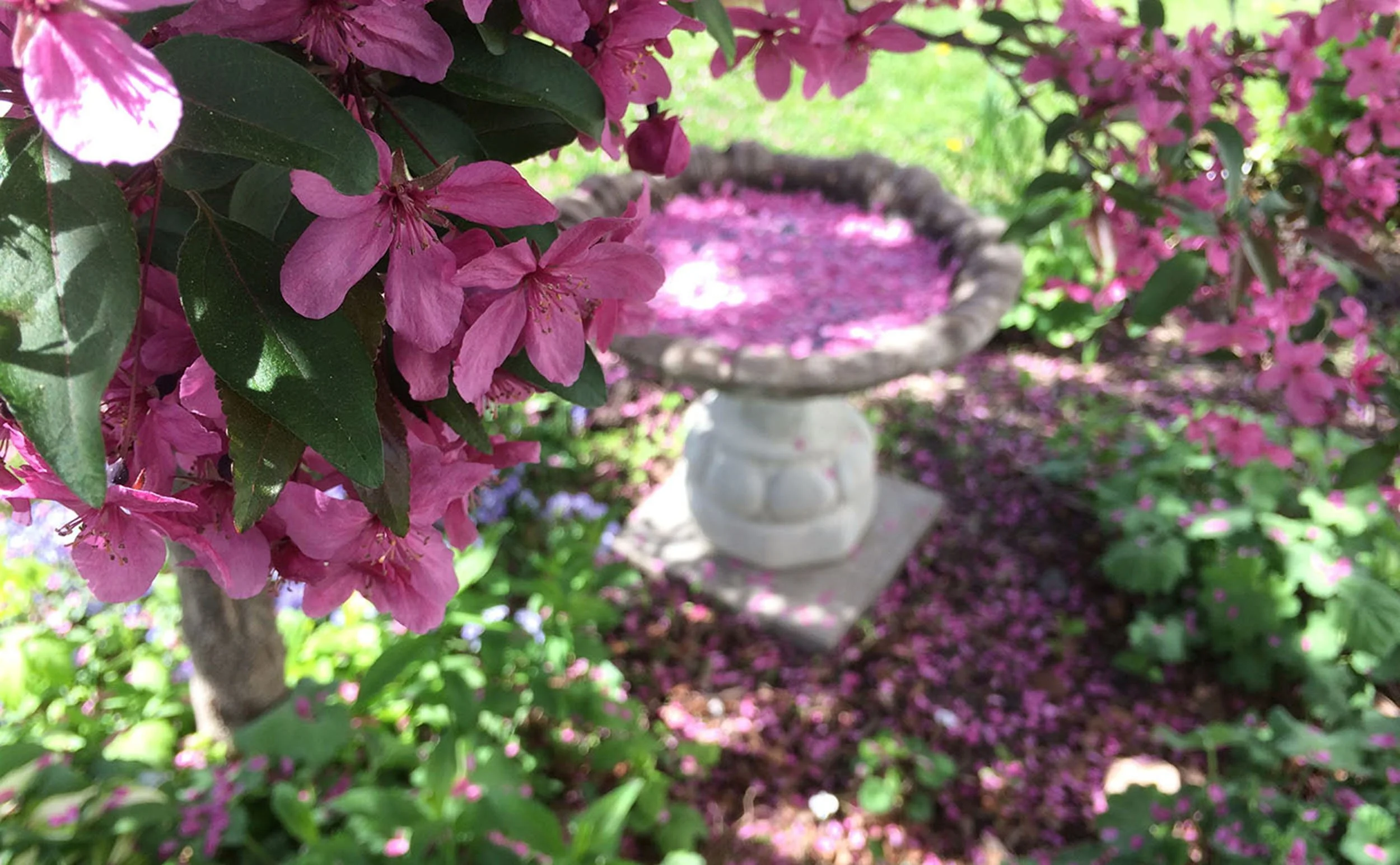
May Day and other May days: Letting petals fall where they may
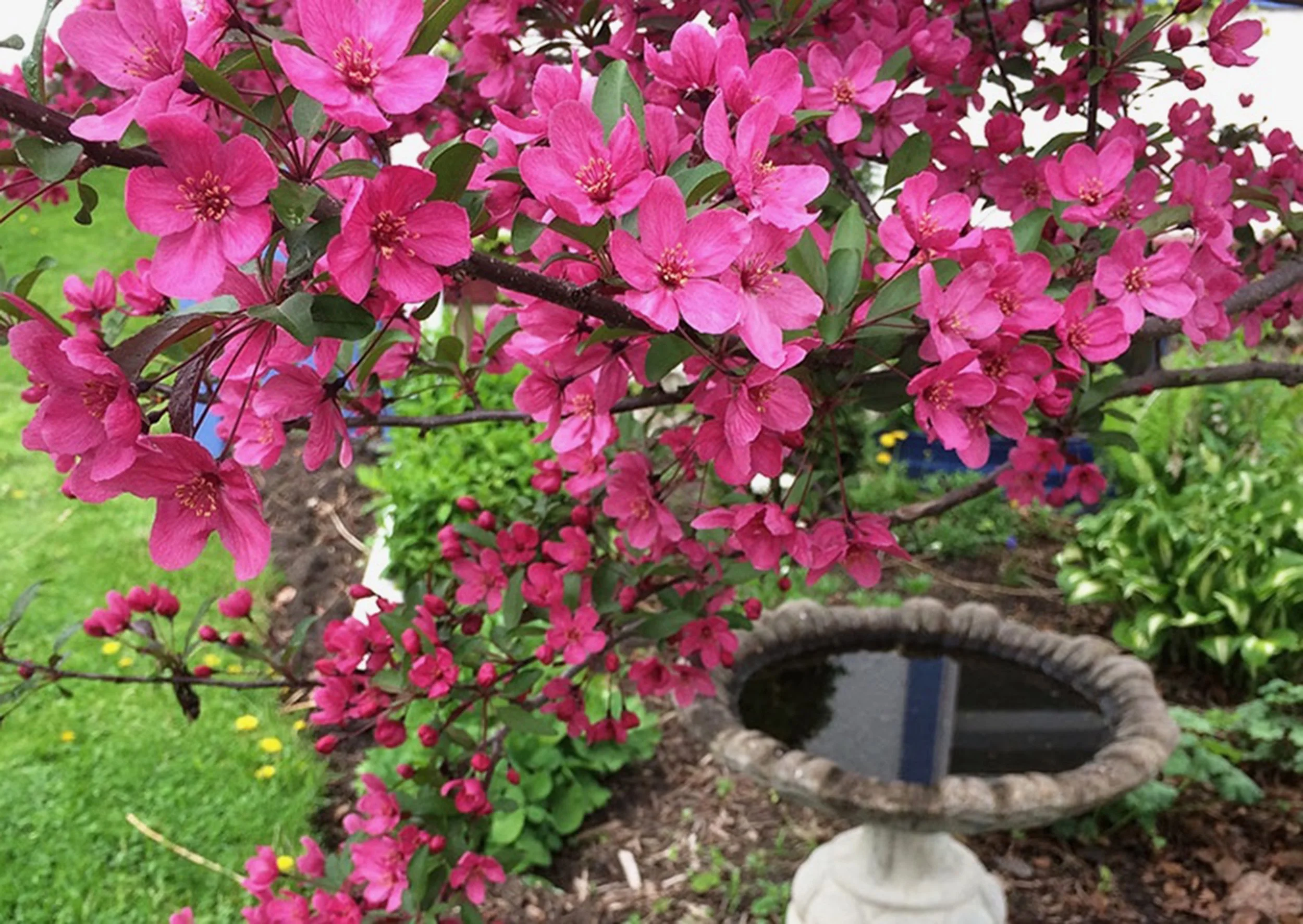
May is named for Maia, Roman earth goddess. To the Anglo-Saxons, it’s Thrimilce, meaning “three milks” or milkings, because cattle are well-fed on fresh grass and can be milked three times a day.
The full moon shows up on the first of the month and again on the 31st. Conveniently, the Anishinaabe have a few different names for the May moon, depending on a given community’s location and how the phenology is unfolding there, which gives us a logical fit for each of our May moons this year, from Budding Moon, when flowering trees are just beginning to bloom here in the north, to Flower Moon or Planting Moon for the end of May.
Here in the Northland, the month begins with a proliferation of flowering trees and spring ephemerals, from tulips to native wildflowers, and moves along to a flurry of colorful petals raining down everywhere, then the peonies and roses begin their show as we approach June. In the midst of all that come the lilacs.
Planting times for gardeners in Minnesota are traditionally tied to two holiday weekends: Mother’s Day, for many flowers and some vegetables that are not bothered by still-cold ground; and Memorial Day weekend, when the soil is usually warm enough to make tomatoes, cucumbers, and basil happy. Of course, experienced gardeners know how to push these boundaries with an April planting of cold-hardy pansies, peas, and lettuce, and with raised beds that warm up earlier so tomatoes can get a head start. But there is something about Mother’s Day weekend being the customary beginning of gardening season that just feels right, you know?
May is Asian American and Pacific Islander Heritage Month.
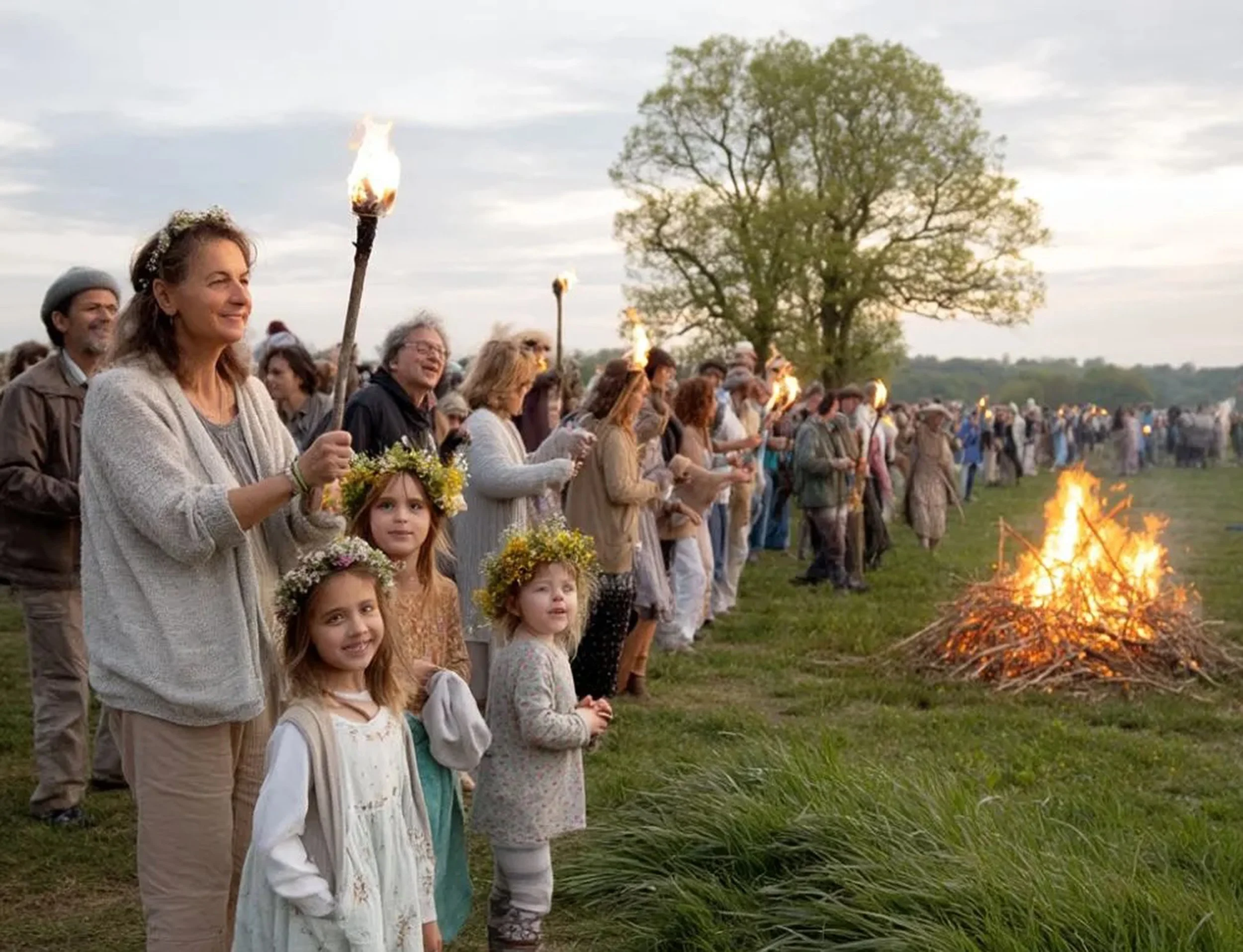
A Beltane celebration, from Influential Gals.
Fri., 1. Beltane is a Pagan cross-quarter holiday, occurring at the midway point between the spring equinox and the summer solstice. Known more commonly as May Day, it’s a national holiday in Sweden. It’s celebrated in Europe and North America as the beginning of summer (being six weeks from the summer solstice, aka midsummer), with community festivals featuring fires, flowers, a maypole dance, and other folk customs that date back hundreds of years and thought by many to have much earlier roots.
Here in Minneapolis, the Mayday festival takes place in Powderhorn Park on the first Sunday of the month.
May Day was a customary day off for laborers in Europe and America, though not an official holiday. Now in much of the world, it is a labor holiday commemorating the events of 1886 in the US, when more than 300,000 workers went on strike on May 1 to press for the 8-hour workday, leading to a violent clash with police a few days later (May 4) at Haymarket Square in Chicago. It is often a public holiday on the first Monday in May, which is May 4 this year—except in the US, which celebrates Labor Day on the first Monday in September.
Vesak/Buddha Day celebrates the Buddha's birth, enlightenment, and death for many Buddhists. This official United Nations observance always occurs during the full moon in May.
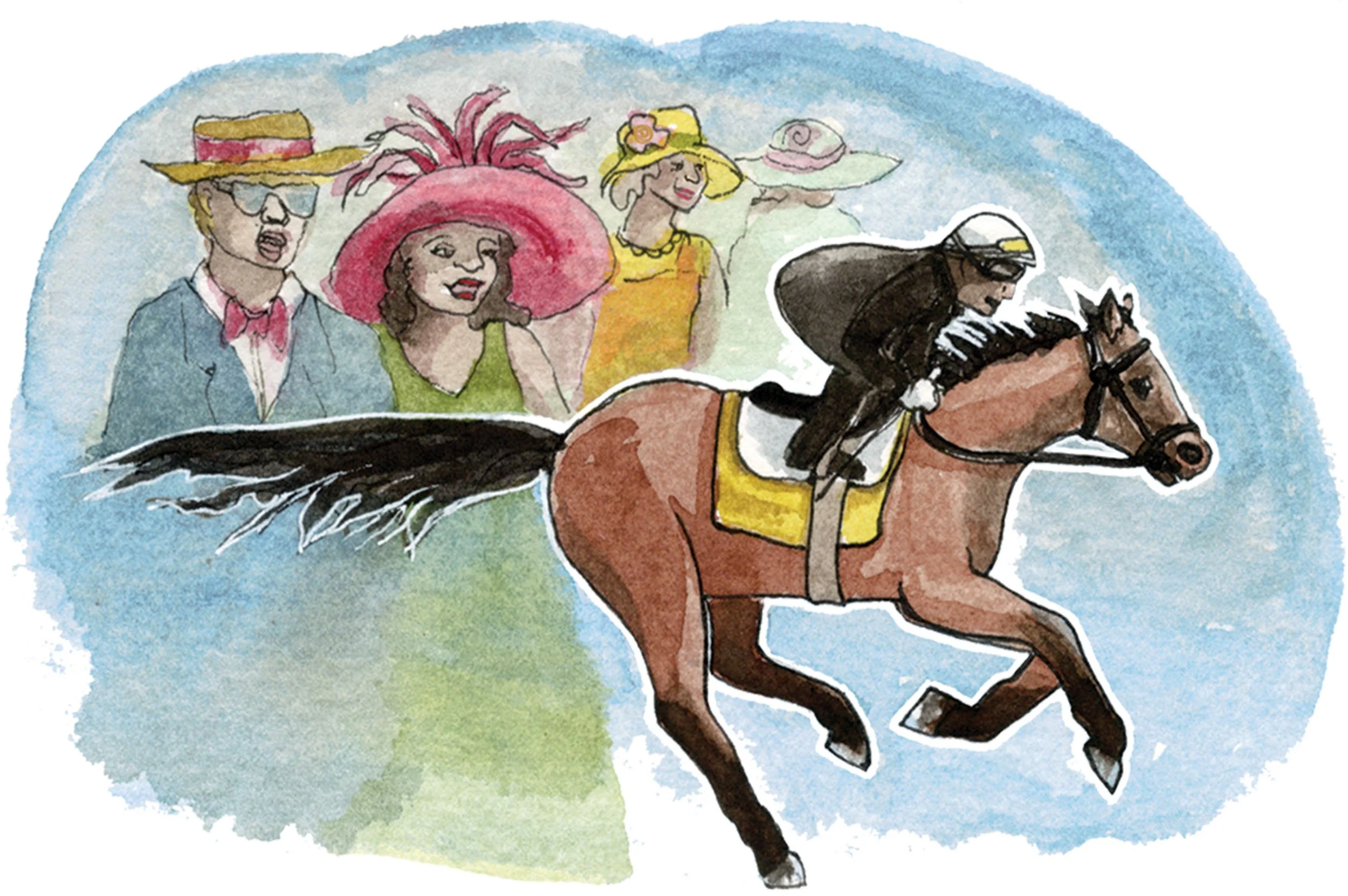
Fri.–Sat., 1–2. The Kentucky Derby was started in 1875 by Meriwether Lewis Clark Jr. (grandson of explorer William Clark), after a trip to Europe where he was impressed by the high-society pageantry at races in Paris and London. He was determined to show the world that Louisville could be just as fashionable as the best of them, and his appeal to the city’s wealthy denizens was met with stylish enthusiasm as people showed up dressed to the nines.
Sat., 2. World Labyrinth Day was started in 2009 by the Labyrinth Society to promote world peace and harmony by encouraging people around the world to “walk as one at 1” local time. Institutions that have labyrinths open their doors to the public for the occasion. Locations of labyrinths and related activities are available on the event’s website.
Sun., 3. World Press Freedom Day was adopted by the UN general assembly in 1993 to champion the cause of free speech everywhere at a time when concerns about freedom of the press weren’t quite so pressing in the US as they have become of late. A year ago, editorial cartoonist Ann Telnaes and others released the documentary Democracy Under Seige, addressing current concerns about free expression in historical context. They have not been able to find a US distributor, so Telnaes says they decided to release it themselves. It’s available to watch online for free May 1 to 4—there’s a link to sign up to watch it on the site linked above, which provides a trailer of the film.
Mon., 4. National Day of Reason is an initiative of the American Humanist Association, “To celebrate reason as the guiding principle of our secular democracy.”
Tue., 5. Cinco de Mayo commemorates the defeat of an invading French army at the battle of Puebla in 1862. It is an official holiday in Puebla only, and may be more widely observed in the US than in Mexico, mainly as a celebration of Mexican culture in the US. Mexico’s Independence Day is Sept. 16.
On Children’s Day in South Korea, families visit zoos, museums and amusement parks, where special programs take place. Japan also observes Children’s Day today.
Thu., 7. National Day of Prayer is an ecumenical observance in the US on the first Thursday in May, when people are asked to pray for the nation and its leaders.
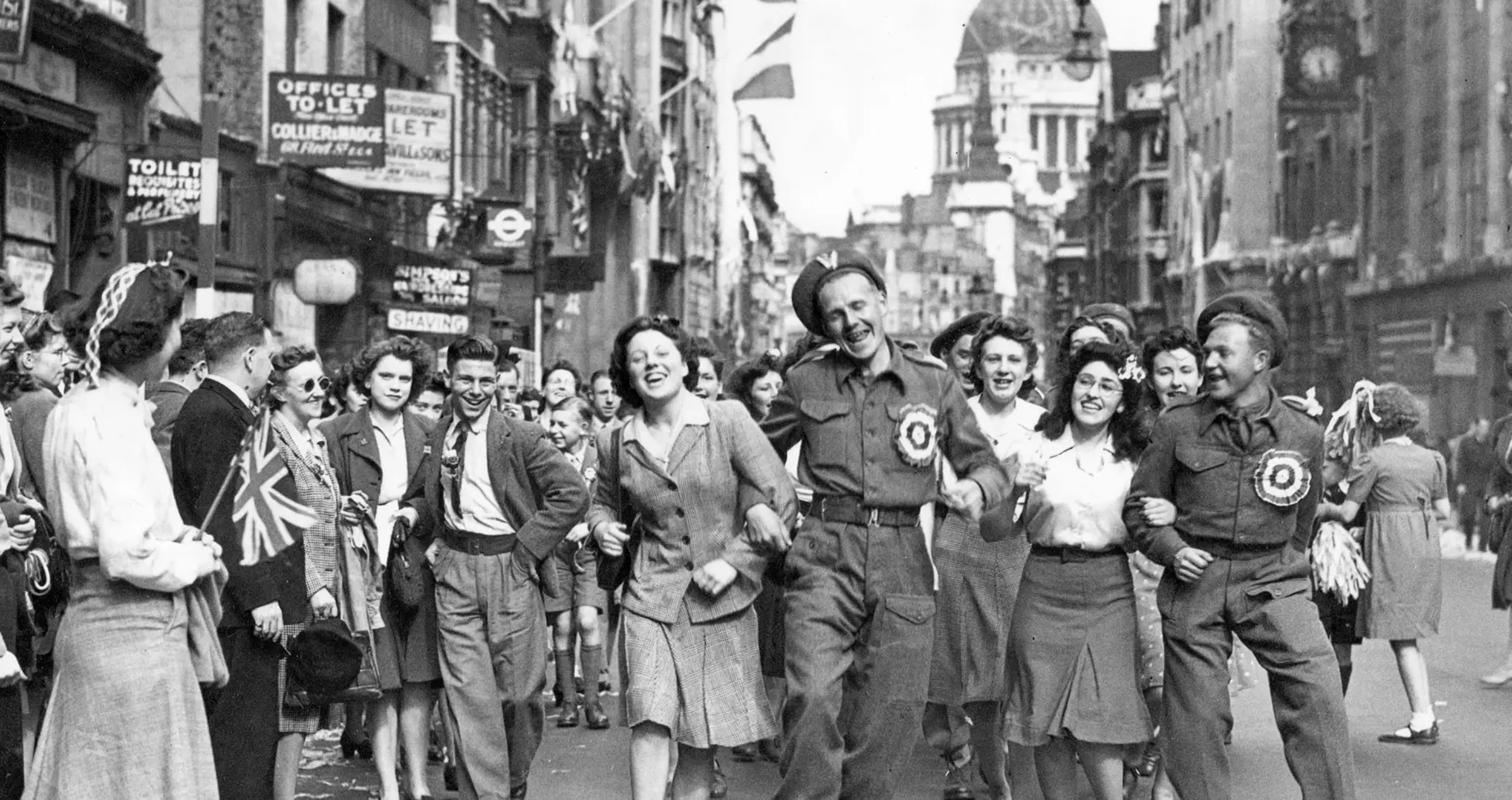
Fri., 8. WWII Victory in Europe Day, aka VE Day, marks when Gen. Charles de Gaulle announced the end of the war in 1945.
In Ukraine, it’s known as Victory Day.
In Norway it’s Liberation Day, celebrating the end of five years of Nazi occupation, and the return of the government that had been in exile in England.
Sat., 9. Europe Day is the anniversary of the Schuman Declaration of 1950, which led to the forming of the European Union.
World Collage Day was started in 2018 by Kolaj Magazine to encourage people to get together and make collages on the second Saturday in May.
World Migratory Bird Day promotes awareness and protection for migratory birds and their habitats. Participating organizations host educational events, which may occur on different days.
Liberation Day in the Channel Islands is the anniversary of the liberation of Guernsey & Jersey from German occupation in 1945.
Sun., 10. Mother’s Day is observed on the second Sunday in May in the US and many other countries. In Mexico, it’s always on May 10, regardless of what day that is.
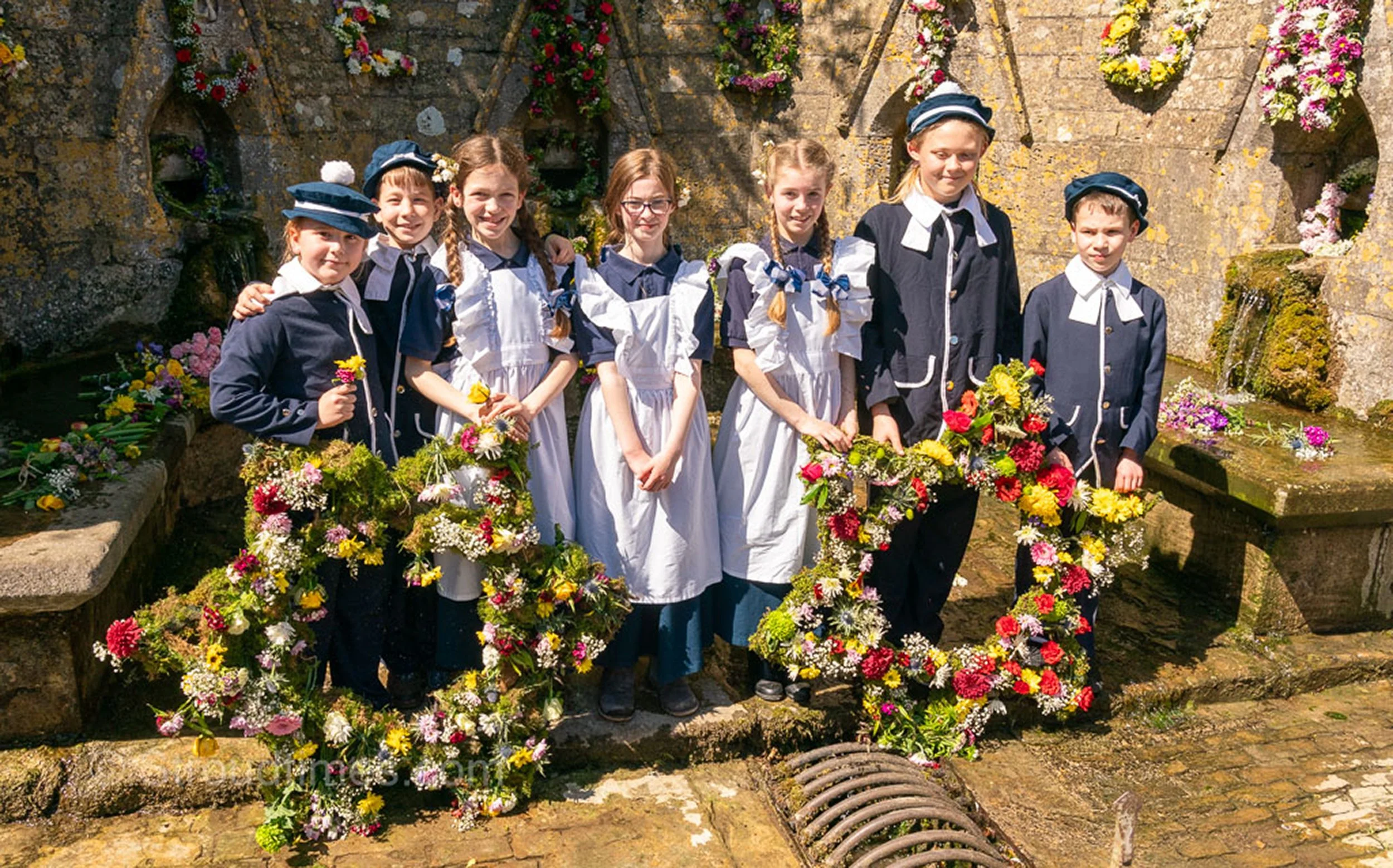
Thu., 14. Ascension Day commemorates Christ ascending to heaven 40 days after Easter. In many English villages, the day is marked with a ceremonial well dressing—that is, decorating the local wells with floral wreaths as a way of giving thanks for clean drinking water. The practice in the town of Bisley (pictured above) was started in 1863 by the local vicar. I have not yet delved into learning more about this custom but now that I have piqued my own curiosity I am looking forward to researching it.
On this day in 2017, Taiwan became the first Asian country to grant legal status for same-sex marriage.
Sat., 16. Armed Forces Day was established by Pres. Truman in 1950 to honor those currently serving in the military. It’s always the third Saturday in May.
Sun., 17. Norwegian Constitution Day aka Syttende Mai celebrates when the constitution was adopted in 1814.
Mon. 18. Victoria Day, which originally marked the birthday of Queen Victoria (May 24), is a Canadian holiday held on the third Monday in May to form a three-day weekend; it is seen by many as the start of summer, like Memorial Day in the US.
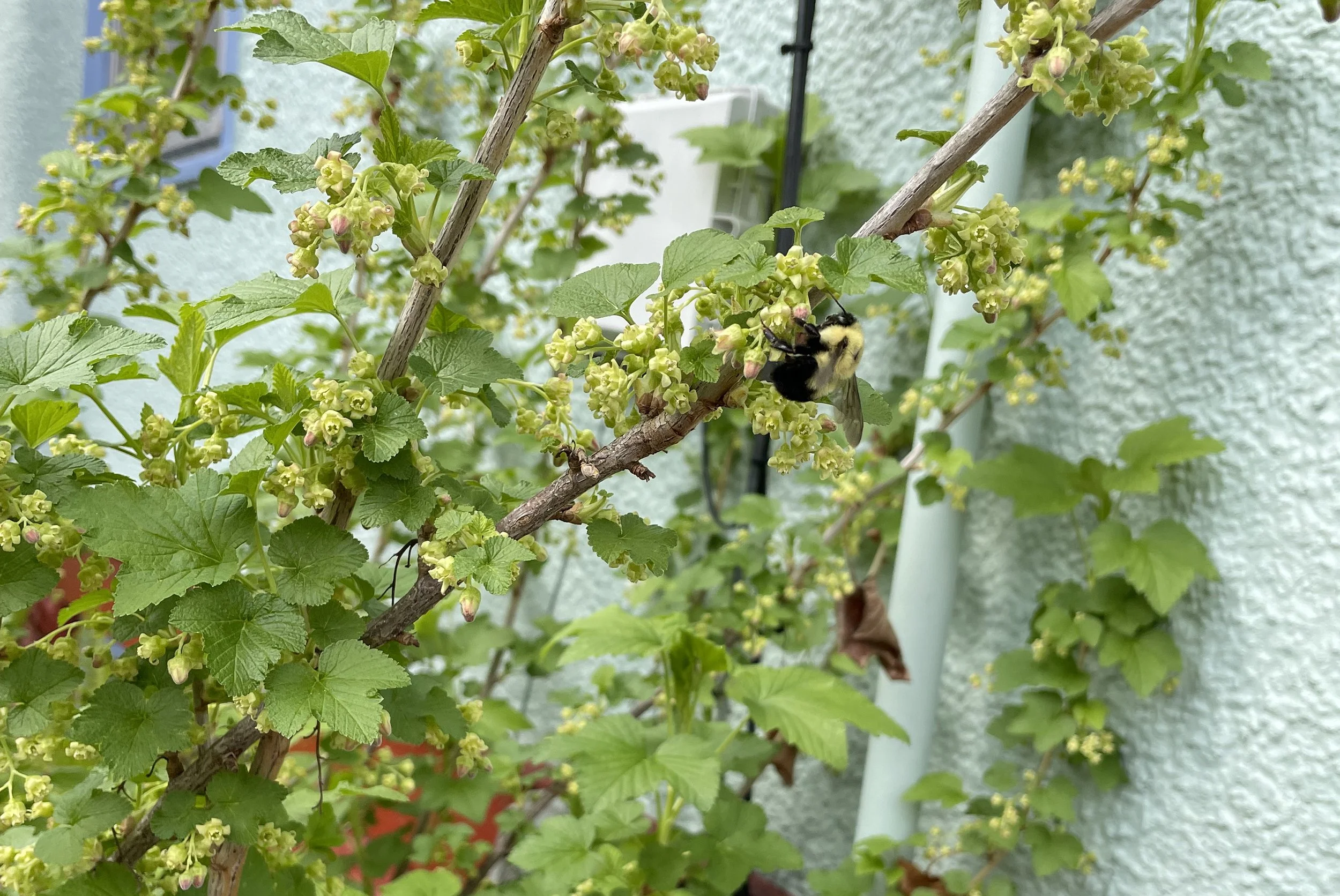
Not a kept European honeybee, but a native wild bumblebee pollinating a blackcurrant bush in my backyard.
Wed., 20. World Bee Day was an initiative of the Slovenian Beekeepers Association to promote protection of these essential pollinators, and is now recognized by the UN. The date was selected to honor the birthday of Slovenian beekeeper Anton Janša (1734–1773), who is considered to be the pioneer of modern beekeeping.
Fri.–Sat., 22–23. Shavuot, aka Festival of Weeks, is a Jewish festival commemorating the giving of the Torah.
Sun., 24. Pentecost—Whitsuntide in the UK—is the 50th day from Easter and the occasion when the holy spirit descended upon a gathering of Christ’s followers, considered the founding event of the Christian Church. They had gathered for the Jewish festival of weeks, or Shavuot (see above), called Pentecost by some Greek Jews, from the Greek word for 50, because it occurs seven weeks (and a day?) after Passover. The English name is derived from “White Sunday” because newly baptized congregants wear a white robe on this day. For others, wearing something red symbolizes the appearance of the holy spirit as a flame above each person at the original event. Observed on May 31 by Orthodox Christians.
Mon., 25. Memorial Day was first called Decoration Day and proclaimed as a national observance in 1868 by the Grand Army of the Republic, an organization of Union Veterans, to honor soldiers who died in the Civil War. Set to take place on May 30, it followed a practice that had been going on in different places around the country on various spring dates for the previous two years. It was thought that the late May date would ensure that there were plenty of flowers available in all 37 states. After WWI, the observance was expanded to honor all war veterans, but it wasn’t until 1971 that it became a national holiday, with the current name, set on the last Monday in May.
In December 2000, Congress passed and Pres. Clinton signed the National Moment of Remembrance Act, in an attempt to reclaim the original intent of the holiday by asking people to pause for a moment of silence at 3 p.m. local time on Memorial Day in honor of those who have died in service to the country.
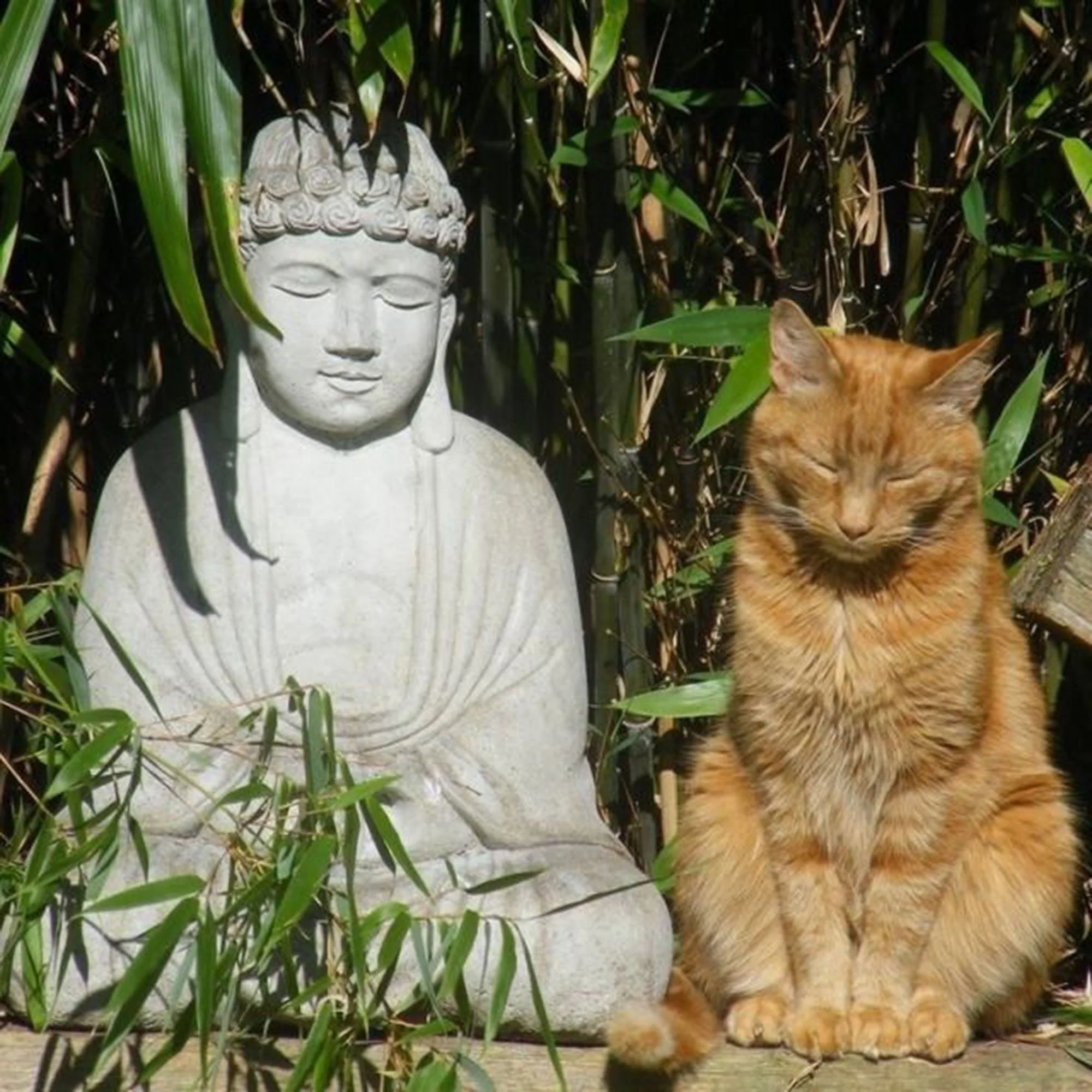
Buddha’s Birthday in South Korea is celebrated with visits to Buddhist temples, where monks serve tea and snacks, and a big lantern parade in Seoul, usually on the Saturday before. Normally on May 24, the official holiday is today because the 24th is a Sunday.
The Monday after Pentecost is known as Whit Monday and is a holiday in many European countries. In 2005, the French government canceled it, but people refused to work anyway. It was reinstated in 2008.
Kiev Day celebrate’s Ukraine’s capital city.
Mon.–Fri., 25–29. The Hajj pilgrimmage takes place this week for Muslims.
Wed., 27. Eid al-Adha, aka the Feast of the Sacrifice, is a 3-day festival honoring Ibrahim’s (Abraham’s) willingness to sacrifice his son in obedience to God.
Sun., 31.Mother’s Day in Sweden and France. The French observance was started in a small village in 1906 to honor women who had a lot of children, because, as the (male) school teacher who proposed it pointed out, men got awards for valor or good conduct in their jobs, but mothers were given no recognition for the hard work of birthing and raising children. This was also influenced by countrywide concerns about declining birth rates at the time.
Orthodox Christians observe Pentecost today. (See description above at May 24.)