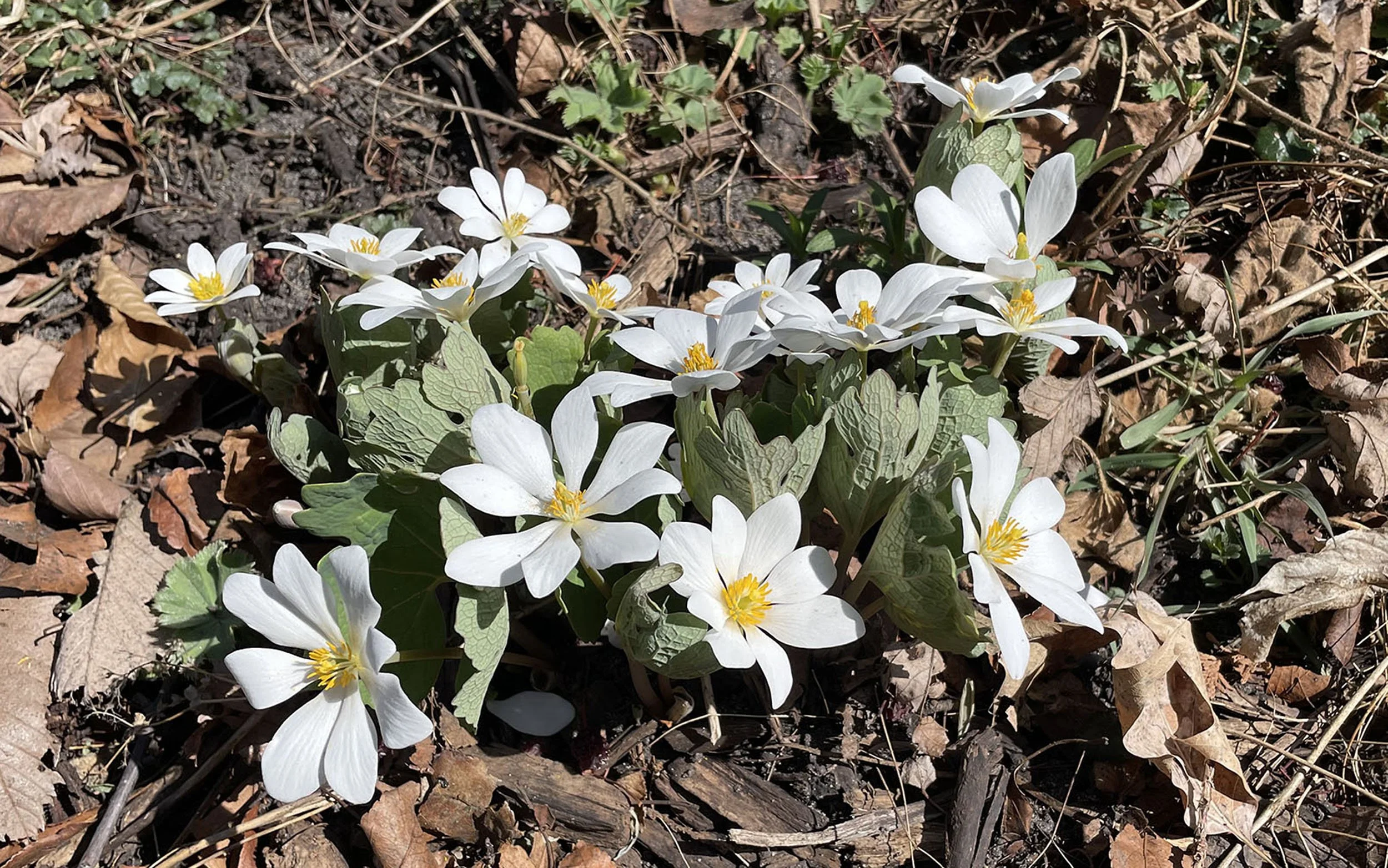
The first flowers to emerge in my backyard in April are those of the bloodroot, Sanguinaria canadensis.
The origin of this month’s name is uncertain—it could be from Latin aperire, “to open” (as flowers), or from aprilis: “the following” or “next,” referring to its place as the second month of the old Roman calendar. It has also been attributed to Apru, an Etruscan word for the Greek goddess Aphrodite. The Saxons called it Éastermónað in honor of Eostre/Easter, goddess of dawn, spring, and the east.
The month begins with a full moon which, to the Anishinaabeg of Michigan is the Broken Snowshoe Moon (Center for Native American Studies at Northern Michigan University). In Ontario, Canada, it’s the Sugaring Moon, because the maple sap is running (First Peoples Indigenous Centre, Durham College).
Perhaps this year, we might want to call it the Fools’ Moon.
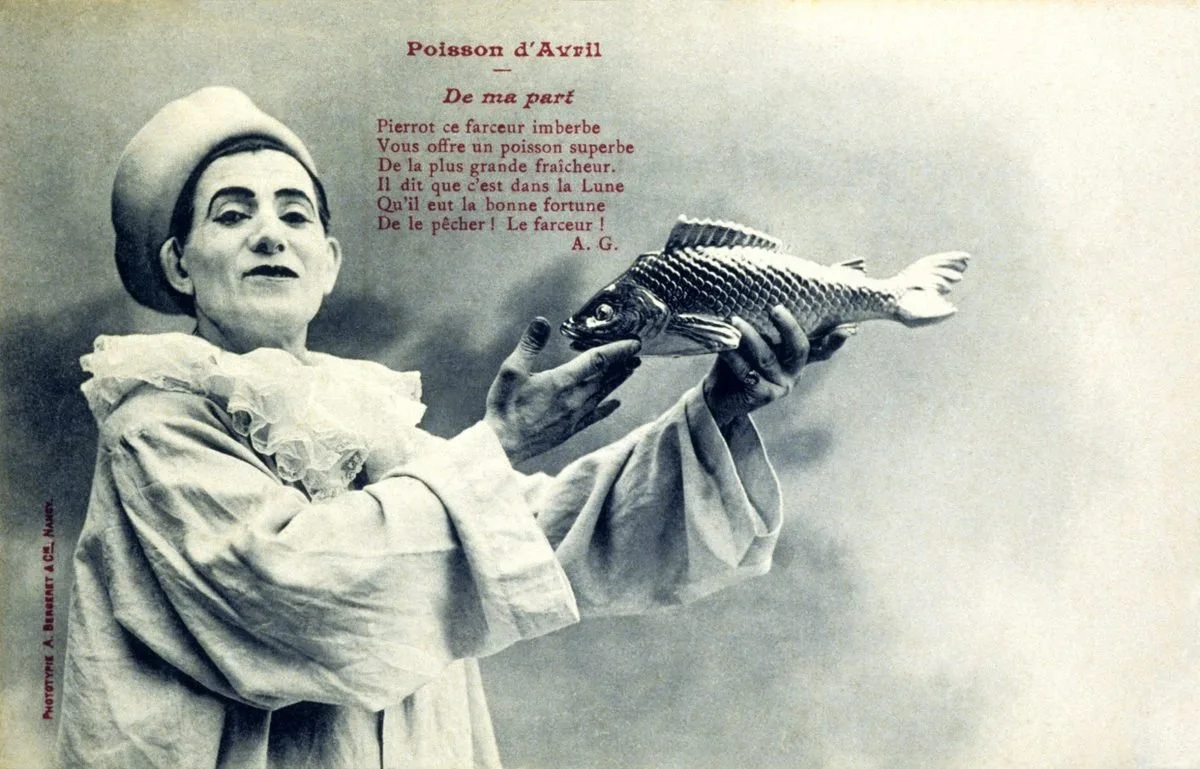
April fish image from Atlas Obscura.
Wed., 1. All Fools’ aka April Fools’ Day is celebrated in most Western countries going back hundreds of years as an occasion for pranks. In France it’s called April Fish: People attempt to attach a paper fish to someone’s back surreptitiously. Explanations for this day’s origins abound, but none is certain.
The birthday of Hindu god Hanuman is celebrated today in some parts of India.

My backyard on April 1, 2023. Sometimes, this happens.
Thu. 2–Thu., 9: Passover begins at sunset April 1. The observance requires work and dietary restrictions for Jews on the first two and last two days.
Thu. 2. Maundy Thursday (W.Chr.) recalls a Passover seder Jesus took with his followers, known as the Last Supper. During the evening, Jesus washed his disciples’ feet, a common practice of hospitality in those days because people wore sandals and everyone’s feet got very dirty. The disciples were taken aback by this, because they saw Jesus as their leader, not one who serves them. Jesus thus turned this social custom into a religious ritual of service and humility. The word maundy is derived from the Latin mandatum, meaning “commandment,” echoing his words to his disciples that night: “A new commandment I give you: Love one another.” (John 13:34, NIV).
Fri. 3. Good Friday recalls Jesus’s execution by Roman authorities.
Sun. 5. Easter is a joyous Christian celebration of Jesus’s resurrection. The name and secular customs associated with it, like the Easter bunny, come from a Saxon pre-Christian spring festival, which was merged with the Feast of the Resurrection when the Saxons in England converted to Christianity in the later 6th century.
To Orthodox Christians, Easter is celebrated next Sunday, April 12.
Mon. 6. Qing Ming Jie, aka Tomb Sweeping Day, is a kind of memorial day and spring festival in several East Asian countries. In S. Korea, it’s called Hansik.
Easter Monday is a holiday in many Western countries.
Thu., 9. Vimy Ridge Day honors Canadians who fought the battle of Vimy Ridge in northern France during WWI.
Sun. 12. Orthodox Easter is called Pascha, reflecting its origins in the Jewish observance of Passover.
Tue., 14. Mesha Sankranti is the Hindu Solar New Year, marking when the sun enters the sign of Aries according to Vedic astrology. In Thailand, it’s called Songkran, their traditional New Year, based on the same astronomical calculations.
Yom HaShoah/Holocaust Remembrance Day, corresponds to the start of the Warsaw Ghetto uprising in 1943.
Tue., 21. Ridván (Bahá’í; to May 2) is a 12-day festival for Bahá’ís, who are not to work on April 21, 29, & May 2. Ridván is the highest festival of the Bahá’í faith, celebrating the 12 days in 1863 when the faith’s founder and prophet, Bahá'u'lláh, stayed in a garden outside Baghdad, which he called Ridván, meaning “paradise,” after he was exiled by the Ottoman Empire. During this time he proclaimed his calling as God’s messenger.
Wed., 22. Earth Day was started in 1970 by Gaylord Nelson, then a Dem. senator from Wisc., who, with GOP Rep. Pete McCloskey of Calif., led the organizing of nationwide demonstrations, which still hold the record for largest number of participants in a single-day event in US history, leading to the founding of the US Environmental Protection Agency (EPA) under Pres. Nixon. Not all participants were considered to be protesters, however, which places the No Kings demonstrations of March 28 this year as the largest single-day protest in the country’s history, according to Wikipedia.
Thu., 23. St. George is the patron of England. Today is also observed as Shakespeare’s birthday, although the exact date is not known.
Fri., 24. Arbor Day, observed on the last Friday in April, is a state holiday in Nebraska. Other states have similar observances to promote tree planting in April or May.
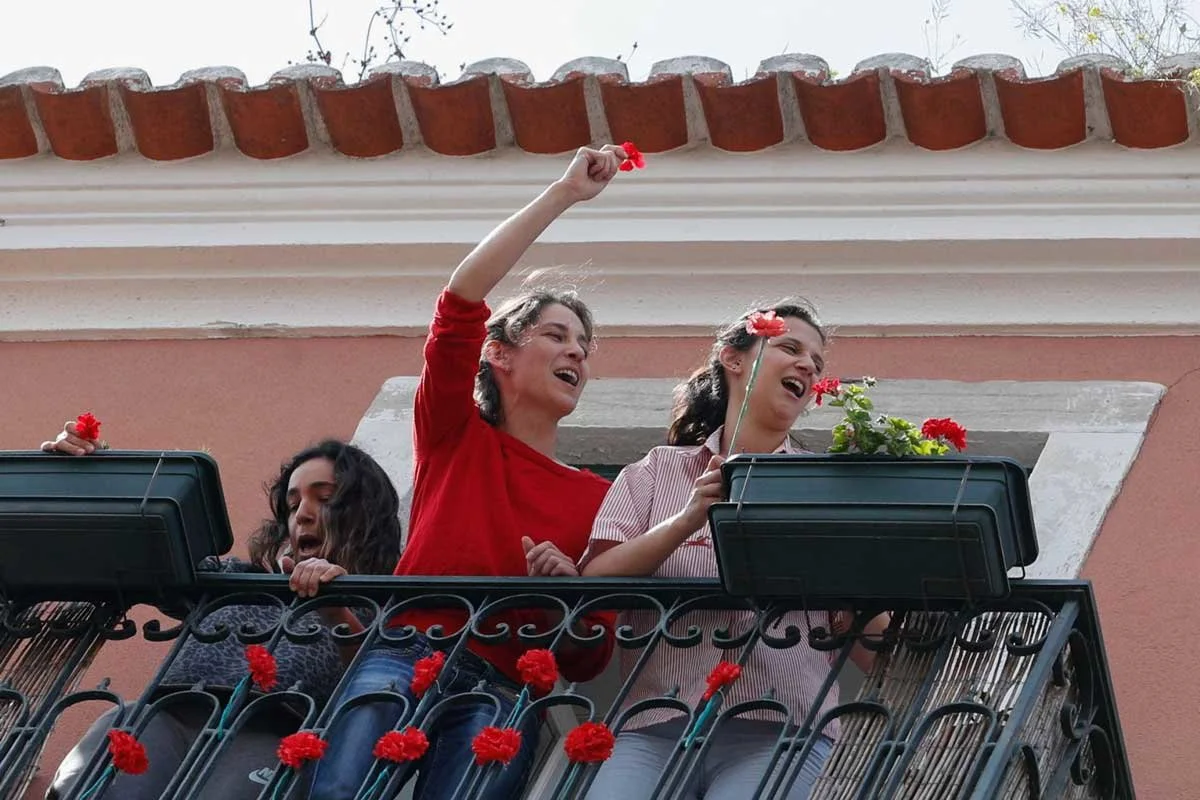
A recent Carnation Day celebration in Portugal.
Sat., 25. Freedom Day in Portugal commemorates the Carnation Revolution of 1974, when dictator Marcelo Caetano was overthrown by a military coup with almost no violence, assisted by a civilian uprising. When people came out to celebrate the end of fascism, restaurant worker Celeste Caeiro (“Celeste of the Carnations”) gave red carnations to the soldiers, which became an emblem of the day.
Liberation Day in Italy celebrates the fall of Mussolini and Italy’s liberation from Nazi Germany in 1945.
ANZAC Day honors the soldiers of the Australian and New Zealand Army Corps (ANZAC) who landed on the Gallipoli Peninsula in Turkey on this day in 1915.

A display at one of my local independent bookstores.
Independent Bookstore Day is celebrated in independent bookstores across the country on the last Saturday in April with special events, readings, merchandise, and sometimes even treats.
Mon., 27. Freedom Day commemorates the first democratic elections in South Africa, held in 1994.
Wed., 29–Mon., May 6. Golden Week in Japan is a period during which four national holidays occur: Showa Day (April 29),commemorating the birth of the Showa Emperor, Hirohito, who died in 1989; Greenery Day (May 4), dedicated to the environment;Kodomo no Hi/Children’s Day (May 5), celebrated with carp streamers, symbolizing strength, power, and success in life (because carp swim upstream); and Constitution Memorial Day (May 6), which commemorates the adoption of Japan’s postwar constitution on May 3, 1947; observed today because May 3 is a Sunday.
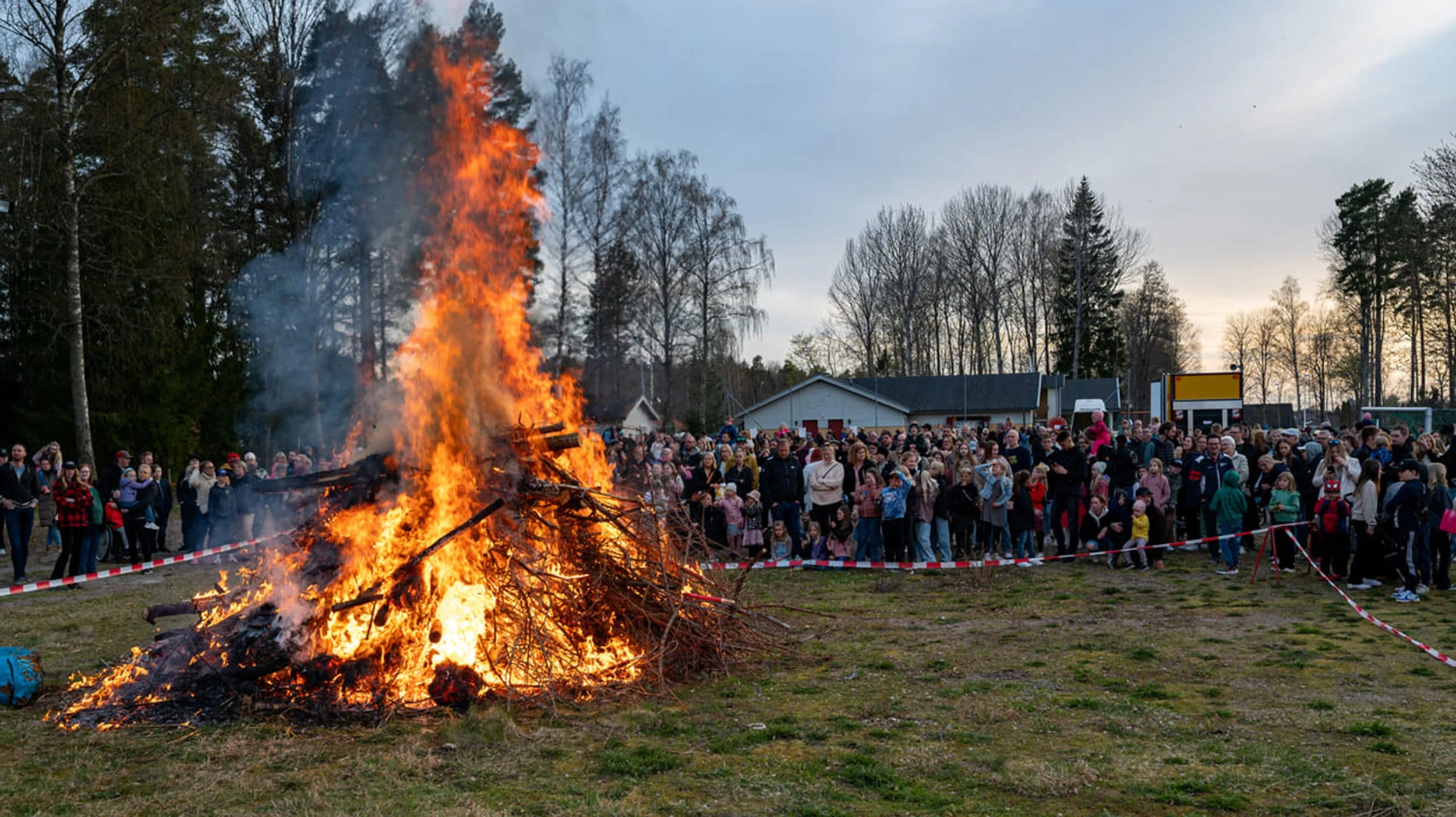
Tue., 30. Walpurgis Night is the beginning of the spring festival of May Day, which is an official holiday in Sweden. Also observed in Finland, Germany, Estonia, Scotland, and other parts of northern Europe; it features community bonfires followed by gatherings at pubs and homes. In Medieval times, the bonfires, lit exactly six months after Halloween, were believed to clear away any evil spirits still lingering from winter.