March Days: Here Comes Spring
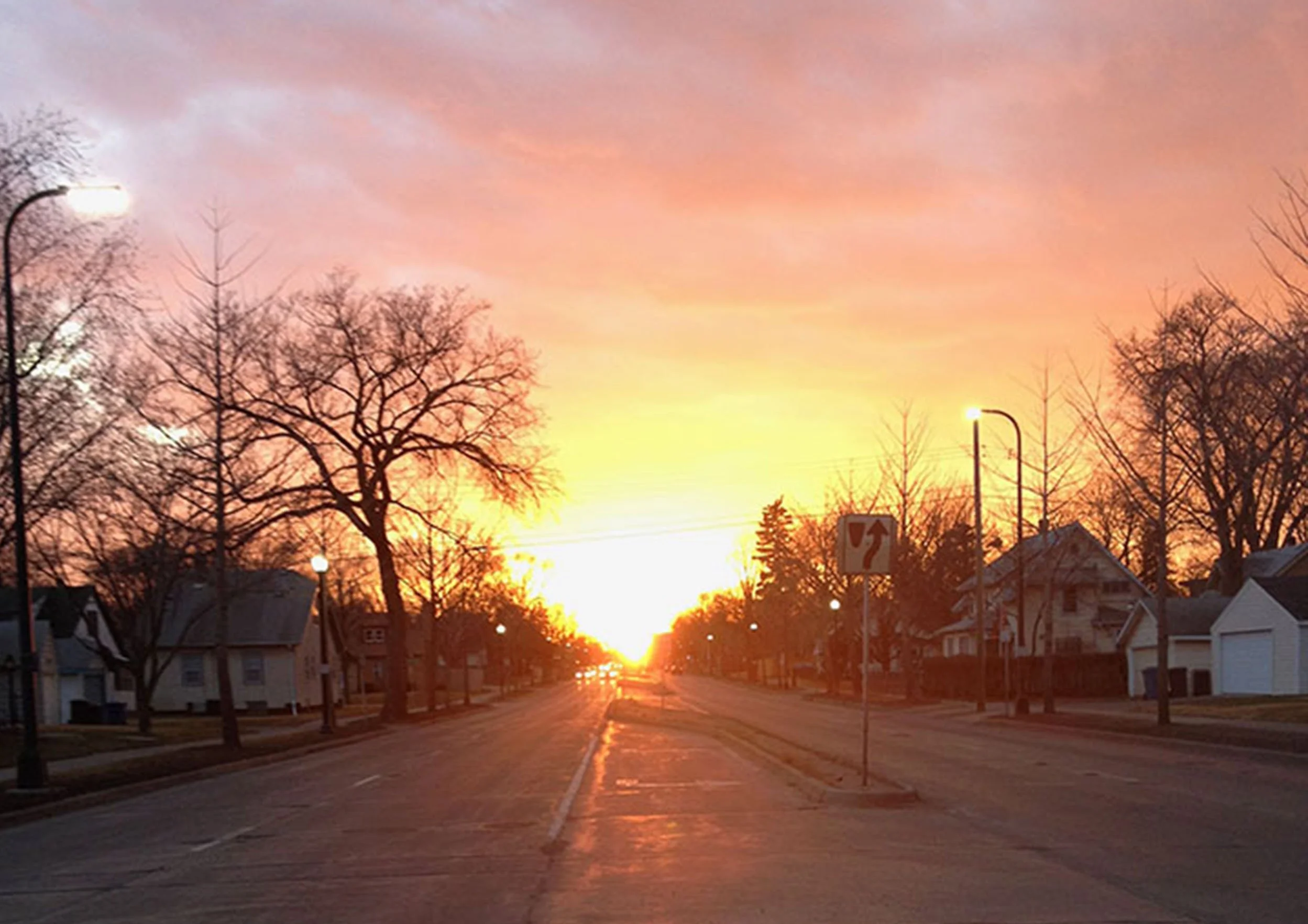
Sunset on the vernal equinox—due west
March is named in honor of Mars, the Roman god of war and guardian of agriculture, whose birth was celebrated on the first of this month. It was the beginning of the year for Romans until Julius Caesar reformed the calendar in 46 BCE to adjust for leap years and move the start of the year to January.
This year we have three overlapping religious fasts: Ramadan, the Islamic month of fasting, began on February 18 and ends March 19; the Bahá’í month of fasting, Alá, is March 2–19; the Christian observance of Lent, a limited fast (traditionally eschewing meat and rich foods) began for Catholics and Protestants with Ash Wednesday on February 18 and ends on Maundy Thursday, April 2. For Orthodox Christians, the Lenten fast began with Clean Monday on February 23, while Easter is celebrated April 12.
The full moon on March 3 is known as the Sugar Maple Moon, according to the Minnesota Landscape Arboretum, because the tree sap is flowing and ready to be tapped. Some of the Eastern Anishinaabe (Ojibwe) communities have similar names for this moon, such as Sugaring Moon or Sugar-making Moon, while Western tribes, such as those in Minnesota, may call it the Snowcrust Moon, reflecting the conditions typical of this time of year, when there has usually been plenty of snow still on the ground but the freeze-thaw pattern results in a crust forming. As noted on Ojibwe.net, climate change is altering the phenology that inspires these moon names. As I look out at my own surroundings, I am tempted to name it the Dirty Snow Moon—more of an urban phenology thing, I suppose.
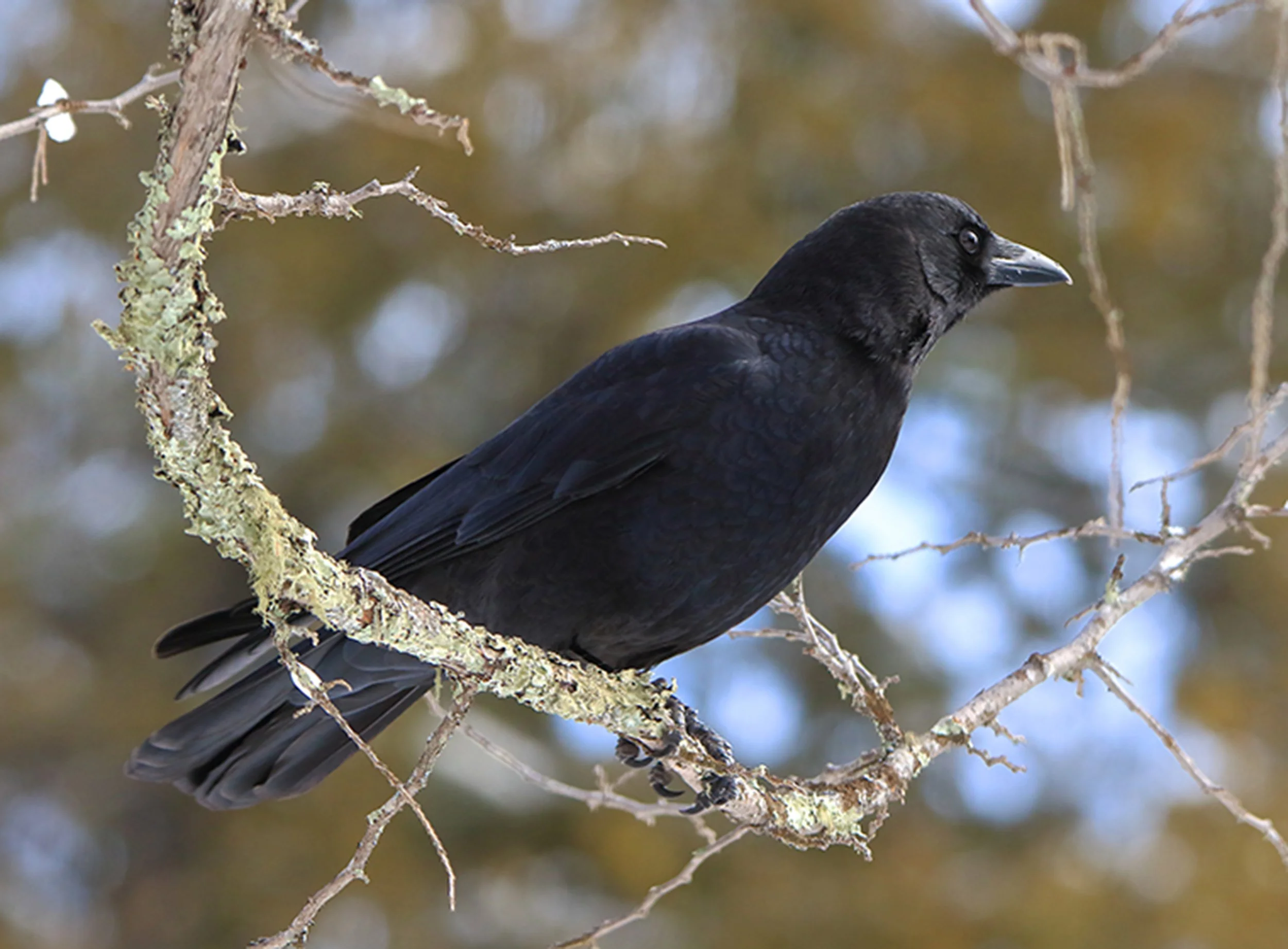
Photo of an American crow by David Brislance from the Minnesota Breeding Bird Atlas
Another lunar name this month among the Ojibwe is Crow Moon. This is probably because northern Minnesota—historically home to the Ojibwe people, who are spread throughout the Great Lakes area—is largely devoid of crows in winter, as they migrate to the southern part of the state where food is more plentiful, returning north in March.
Sun., 1. South Korea’s Independence Movement Day, also called the March First Movement, commemorates the Korean Declaration of Independence from Japan, which had annexed Korea in 1910. The declaration was signed March 1, 1919, followed by a series of protests against Japanese occupation of the peninsula, which were violently suppressed. Opposition leaders formed the Korean Provisional Government in exile. It wasn’t until after WWII that Korea gained independence, at which time it was divided into North (DPRK) and South Korea (ROK) along the 38th parallel.
Saint David, or Dewi Sant, the patron of Wales, is honored on this day by wearing a leek or daffodil, two of the country’s national emblems.
Mon., 2–Fri., 20. The Bahá’í month of fasting, named ‘Alá,’ meaning “Loftiness,” is the last month of the Bahá’í calendar. Months in the Bahá’í calendar are named for the attributes of God.
Also on March 2 in 1917, President Woodrow Wilson signed the Jones-Shafroth Act granting birthright citizenship to people born in Puerto Rico.

Hina-Matsuri Dolls, from the Arigato Travel blog
Tue., 3. Hina-matsuri/Doll Festival is a traditional Shinto festival in Japan. Originally, people would make straw dolls to represent or capture evil spirits, which were floated down the river to take them away. In later years, that custom was replaced with a practice of displaying lavishly dressed porcelain dolls depicting the royal family—some famous doll collections from this custom are housed in museums. It’s still popular to set up such displays with dolls wearing clothes from the Heian period (794–1192 CE), or variations using paper dolls. It is often also referred as the Girls’ Festival.
Magha Puja Day (aka Sangha Day) is a national holiday in Thailand and Cambodia. It commemorates four simultaneous occurrences that were foundational for Buddhism: there was a full moon; 1,250 disciples gathered without being summoned; all of them were Arhanta (enlightened ones); and the Buddha taught them three key principles of Buddhism—do no evil, do what is wholesome, purify your mind.
The Lantern Festival marks the end of the Spring Festival in China, and the conclusion of Lunar New Year celebrations.
Purim is a festive Jewish holiday celebrating Queen Esther’s successful foiling of a plot to annihilate the Jews in the ancient kingdom of Persia, as related in the Book of Esther. The observance begins at sunset Monday, March 2.
Wed., 4. Holi is a Hindu spring festival, also called the Festival of Colors for the colored powder that people fling about in celebration of the day.
St. Casimir was a prince of Poland and Lithuania in the 15th-century known for his asceticism, prayerful devotion, and generosity. He died of illness (probably tuberculosis) at the age of 25 on March 4, 1484, in Lithuania. He was made a saint in 1521, and is the patron of Poland, Lithuania, and young people.
Thu., 5. St. Piran is the patron of Cornwall and tin miners. He lived in the 5th century and is reputed to have discovered tin by chance; his flag, which is also the flag of Cornwall, is a white cross on a black background, representing the white molten tin he saw on a black rock.

Poster for Women's Day, 8 March 1914. By Karl Maria Stadler. From Wikipedia.
Sun., 8. Several countries mark International Women’s Day as a national holiday. The US is not one of them.
Daylight Saving Time begins at 2 a.m. in the US.
Sat., 14. This date has been observed as Pi Day since 1988, when physicist Larry Shaw of San Francisco’s Exploratorium initiated a celebration that included a circular parade and the eating of pies. It is also the birthday of Albert Einstein.
Sun., 15. Mothering Sunday is observed on the fourth Sunday in Lent in the UK and Ireland. Traditionally, people visited the church where they were baptized (their “mother church”), but now it’s observed as Mother’s Day.
Tue., 17. Saint Patrick’s Day is a public holiday in Ireland. While it is considered customary to wear green on this day, the color originally associated with the saint is blue. It was about 100 years after the Tudor King Henry VIII had himself crowned king of Ireland that Irish Catholics adopted the color green as symbolic of their objection to Protestant (& English) rule.

“Among individuals, as among nations, respect for the rights of others is peace.”—Benito Juarez
Mon., 16. Benito Juárez Birthday Memorial honors the one-time president of Mexico, who served from 1858 to 1872, and is remembered as a statesman-reformer. Born March 21, 1806, to a poor rural Zapotec family, he became the first indigenous president of Mexico. He resisted the French invasion, reduced the influence of the Catholic Church, promoted the rights of indigenous people, and defended Mexico’s national sovereignty. The national holiday occurs on the third Monday in March.
Fri., 20. The vernal equinox occurs today at 9:46 a.m. CDT—the exact time when neither pole of the earth is tilted toward the sun. It’s also a day when the sun rises exactly due east and sets exactly in the west, which only occurs on the two equinoxes. I took the photo at top at sunset on the vernal equinox in 2015 while standing on the meridian of an east-west street near me.
Eid-al-Fitr is the Islamic festival at the end of Ramadan, usually celebrated for three days.
Sat., 21. Naw-Rúz (Bahá’í New Year)/Norooz (Iranian New Year) and Ostara (Pagan) are all associated with the spring equinox.
Human Rights Day (S. Afr.) commemorates the launch of the South African Human Rights Commission (SAHRC) on March 21, 1996, and honors the memory of the Sharpeville tragedy of March 21, 1960, when demonstrators were fired on by police, killing 69 and wounding 180.
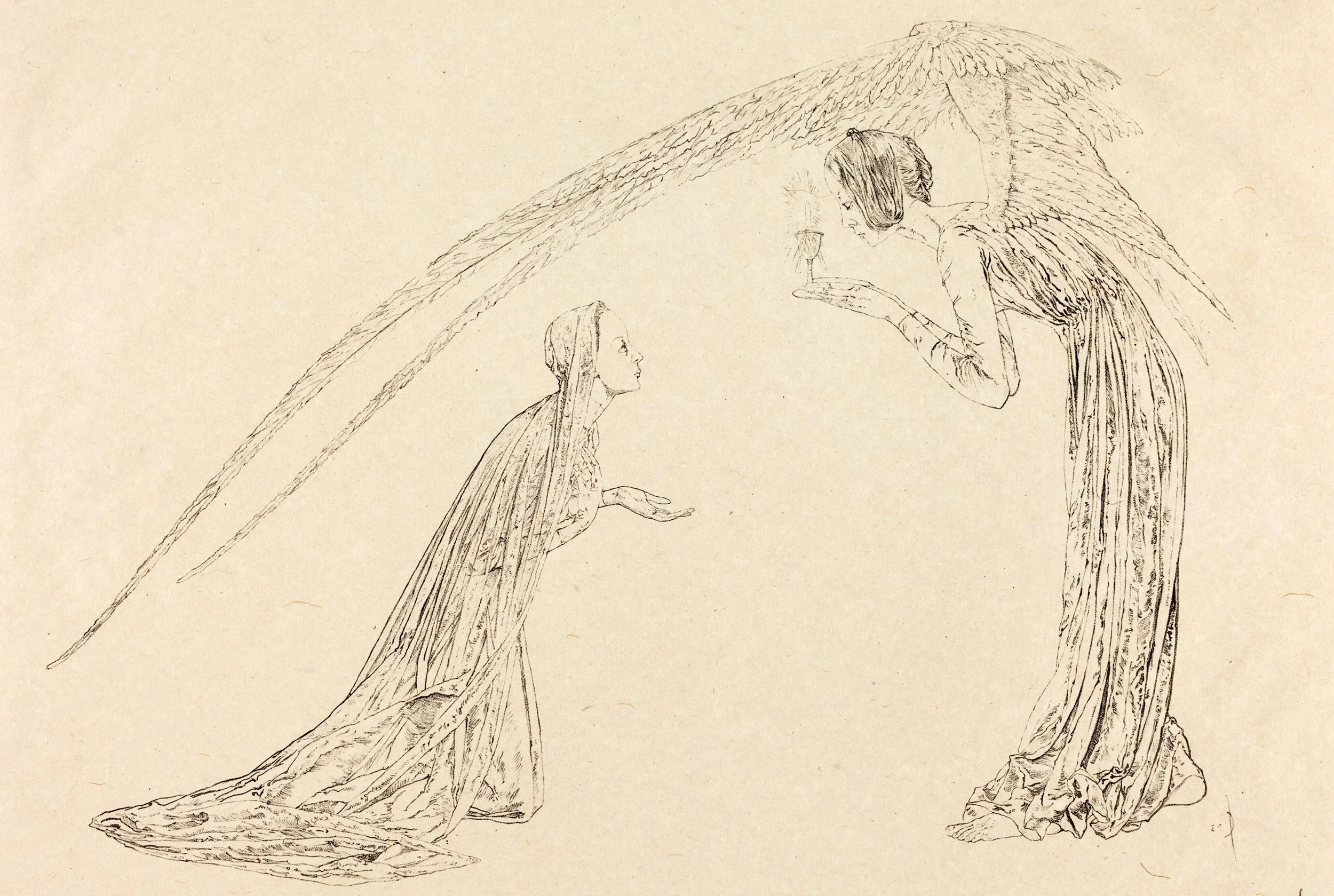
The Annunciation (L’Annonciation), 1893, lithograph by Carlos Schwabe, from the National Gallery of Art
Wed., 25. Lady Day, aka the Feast of the Annunciation, honors the archangel Gabriel’s visit to the Virgin Mary to tell her she would become the mother of Jesus. It was the first day of the year in England and dominions (except Scotland) until 1752, when the Scottish practice of starting the year on January 1 was adopted.
Sat., 28. Earth Hour, observed 8:30–9:30 p.m. local time, is a “moment of unity” for nature and the environment—to do something positive for the planet.
Sun., 29. National Vietnam War Veterans Day commemorates the final withdrawal of troops from Vietnam in 1973. First proclaimed in 2012 by Pres. Obama, it was enacted by Congress in 2017, making it an official flag day.
Palm Sunday is a Christian observance and the beginning of Holy Week, which culminates with Easter Sunday on April 5.
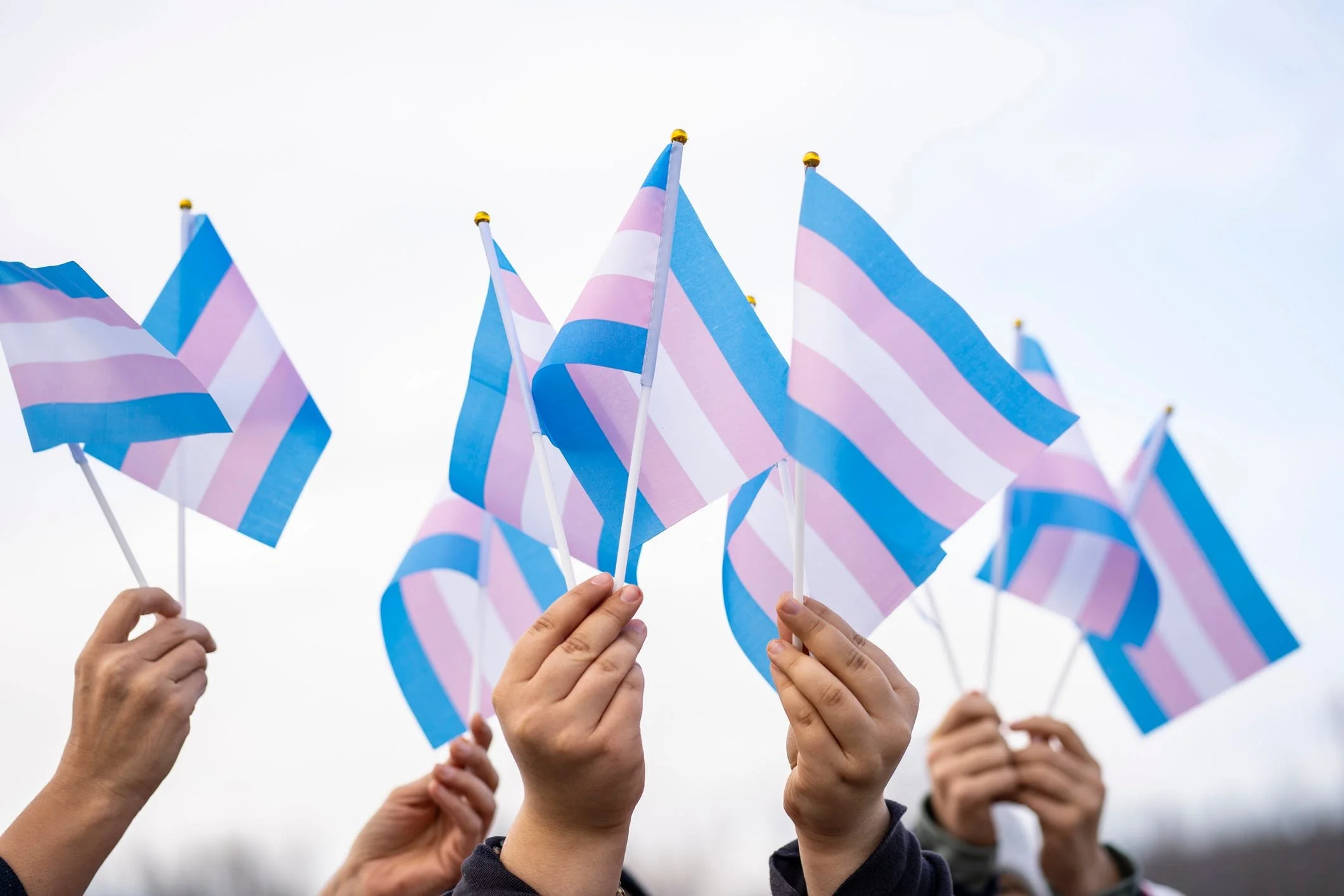
Tue. 31. Transgender Day of Visibility calls attention to the need to protect the rights and safety of transgender people.